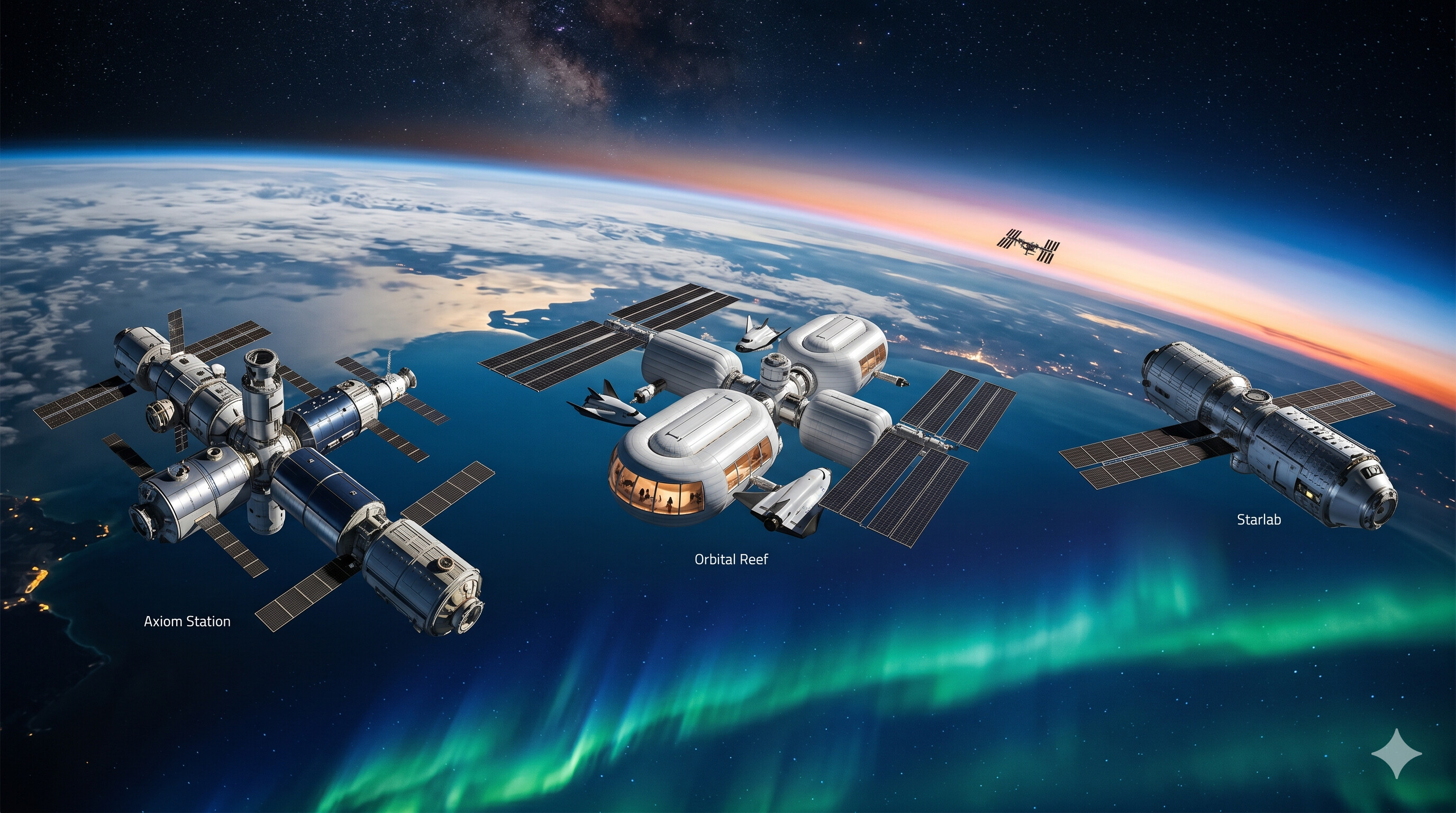
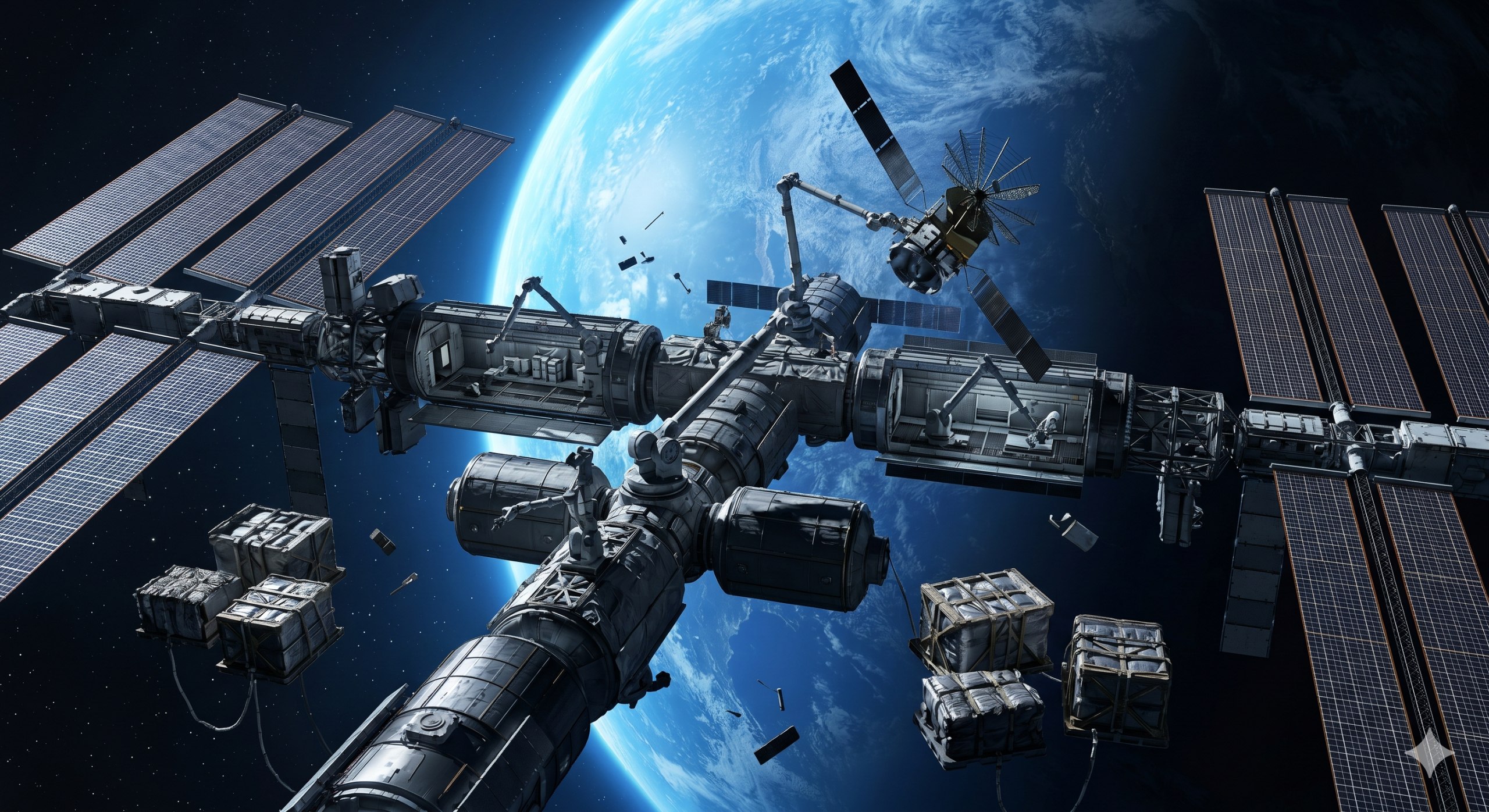
The International Space Station has been humanity's permanent home in orbit since the year 2000. But by 2026, a quarter-century chapter is approaching...
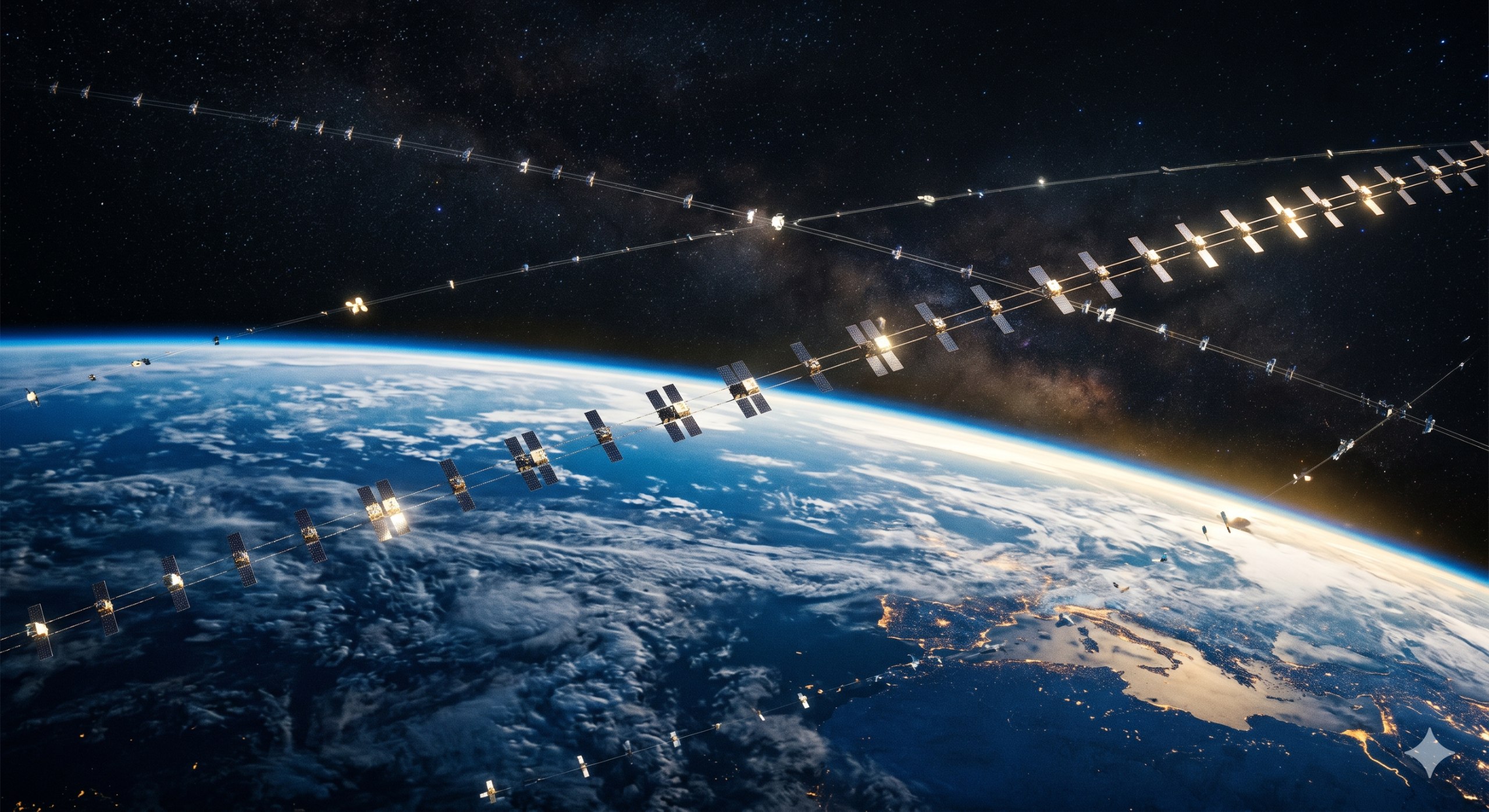
In 2026, Starlink reached a paradoxical milestone: subscriber count exceeded 10.3 million (doubling from 2025), but average revenue per user (ARPU) ha...
The Structural Turning Point of the Orbital Economy: From Launch Cost to In-Orbit Value
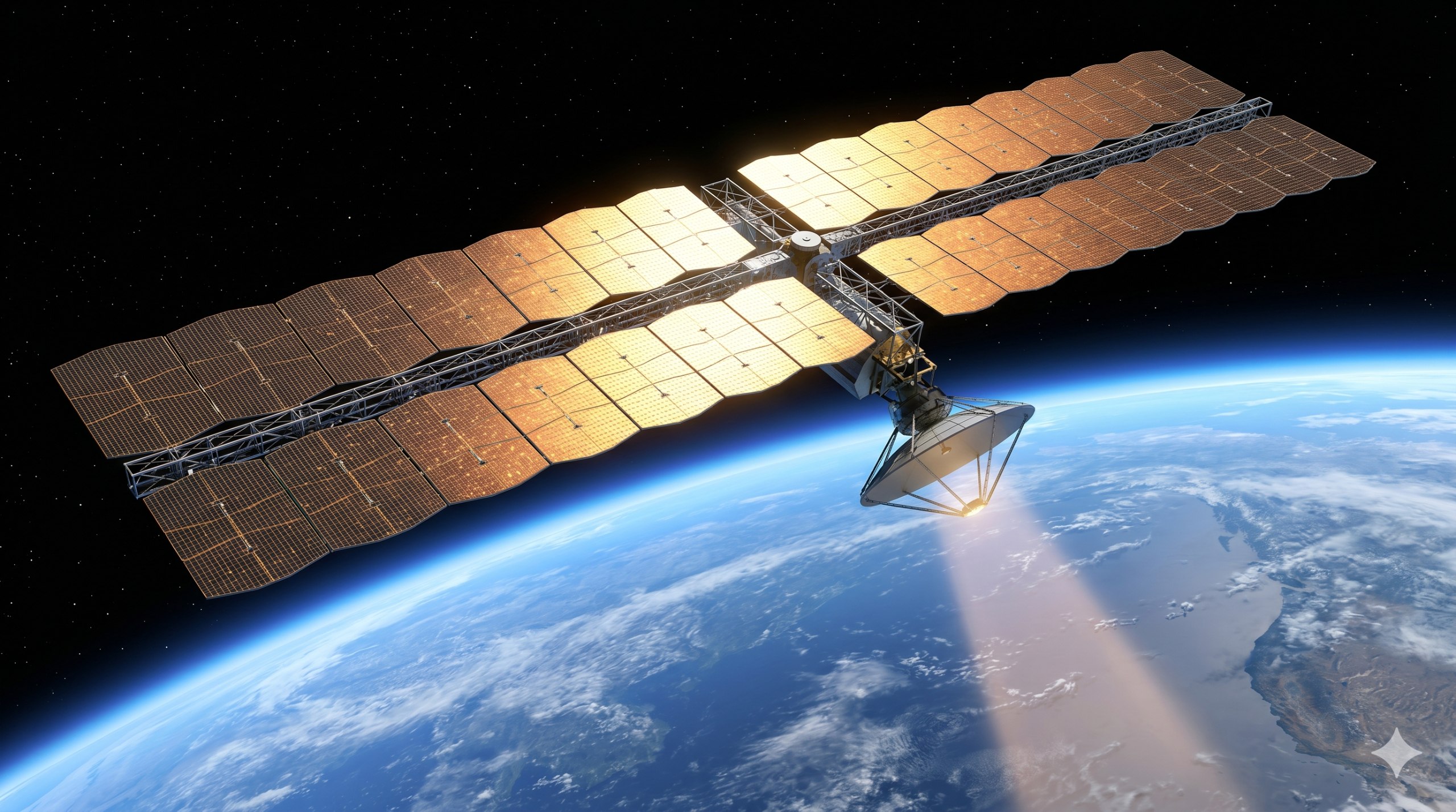
In 2026, the orbital economy reached a structural inflection p...
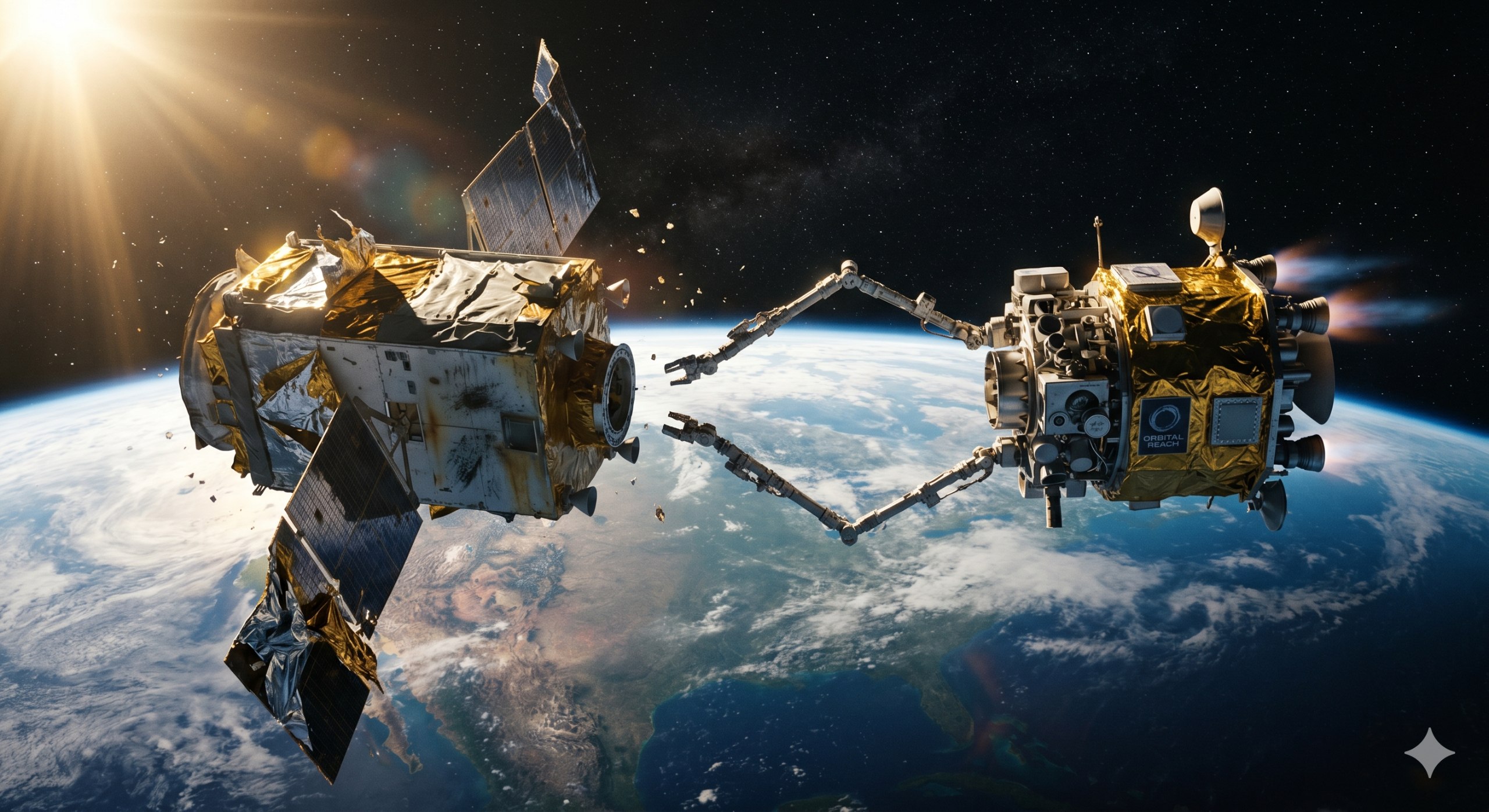
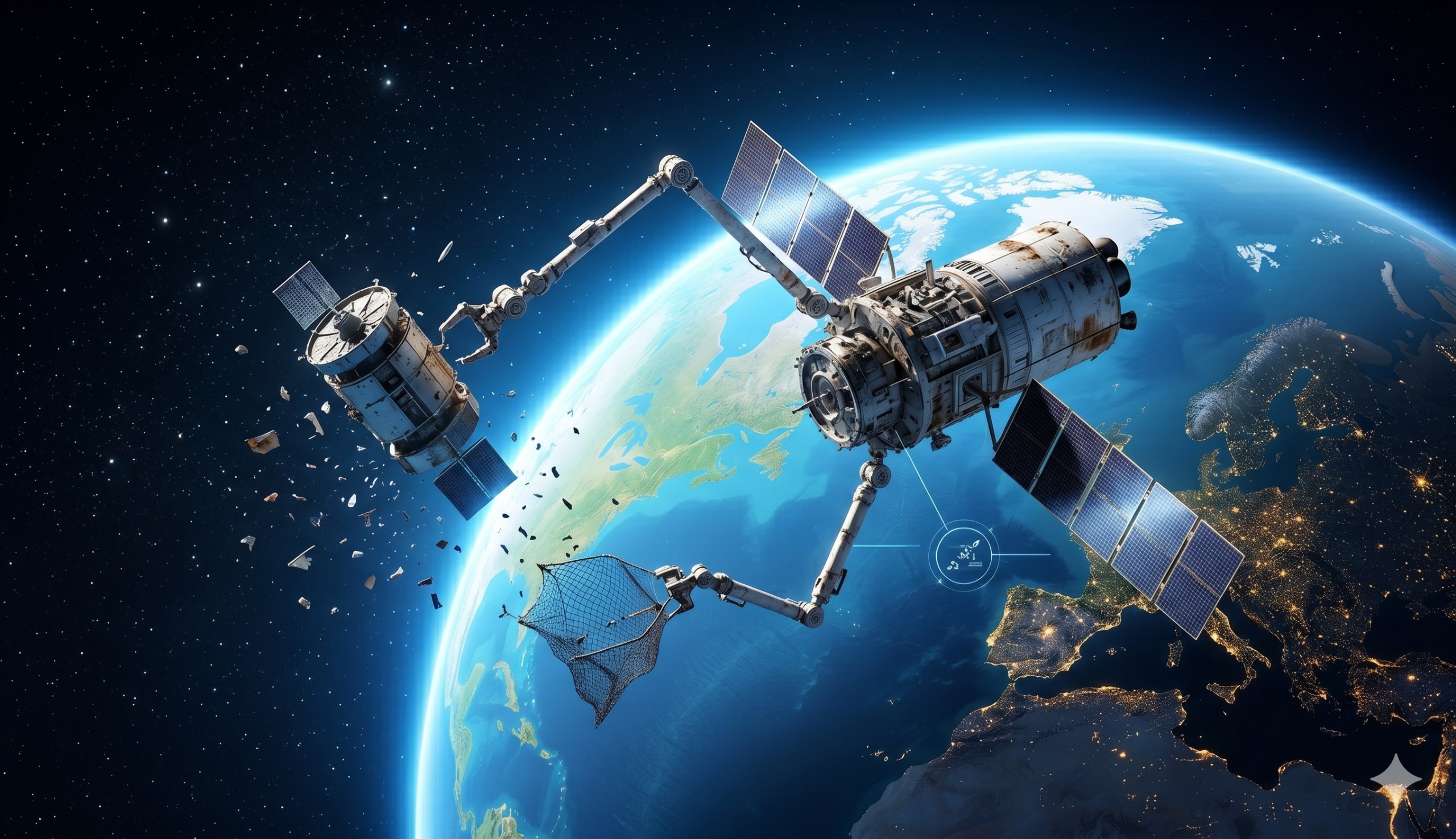
Astroscale, the Tokyo-based in-orbit services company, has achieved a milestone that the space industry has discussed for decades but never accomplish...
Over the past decade, the narrative of the orbital economy has revolved around a central thesis: declining launch costs would unlock space's commercia...
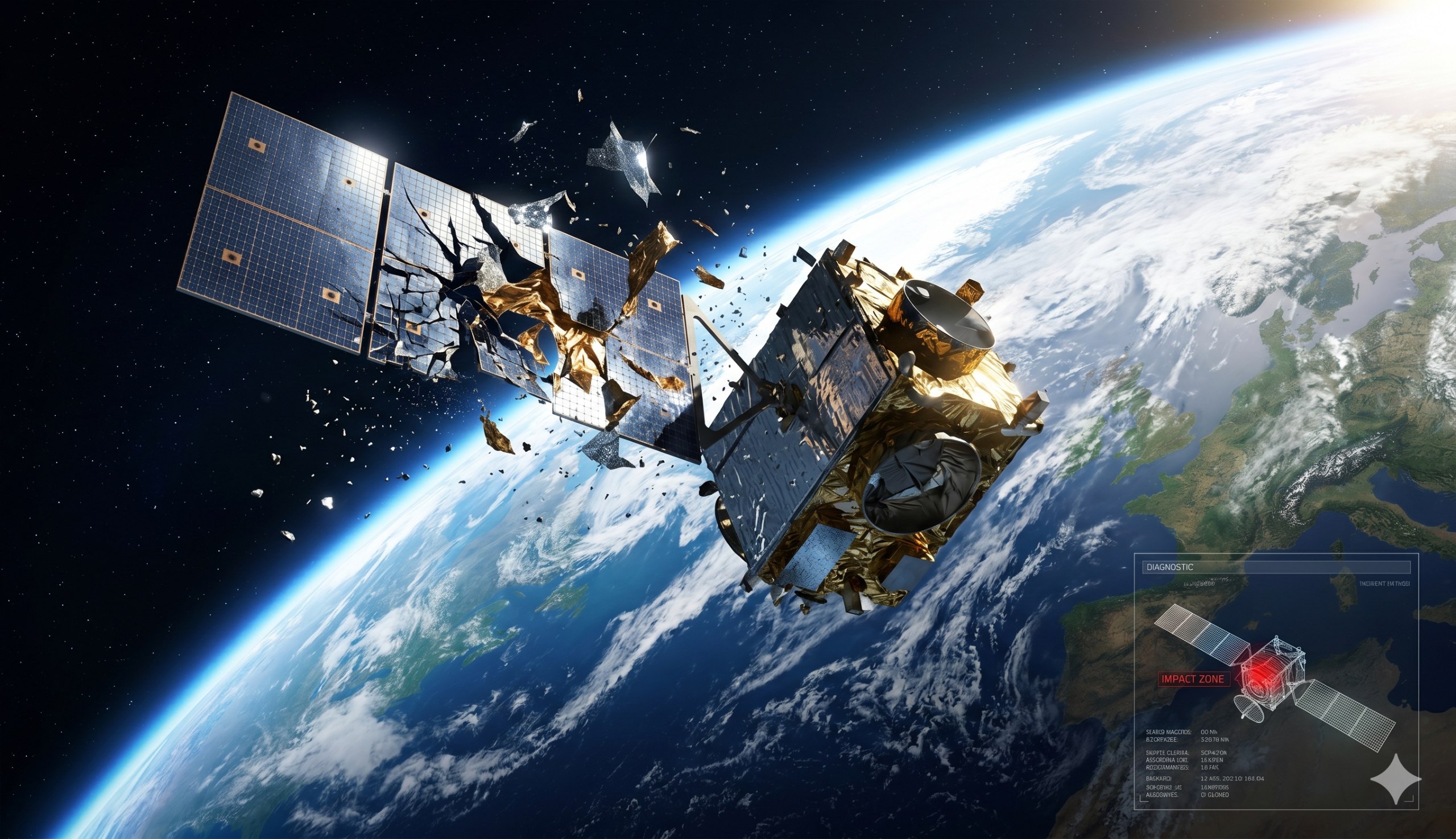
The Threat of Kessler Syndrome
The number of trackable debris objects in Low Earth Orbit (LEO) has surpassed 40,000. Including fragments between 1-10 ...
Space Industry Employment Report: How the Talent Race Is Reshaping the Orbital Economy
The space industry is experiencing an unprecedented talent war....
Space Insurance in Transition: When Risk Models Can't Keep Pace with the Orbital Economy
Space insurance is undergoing a profound existential crisis —...
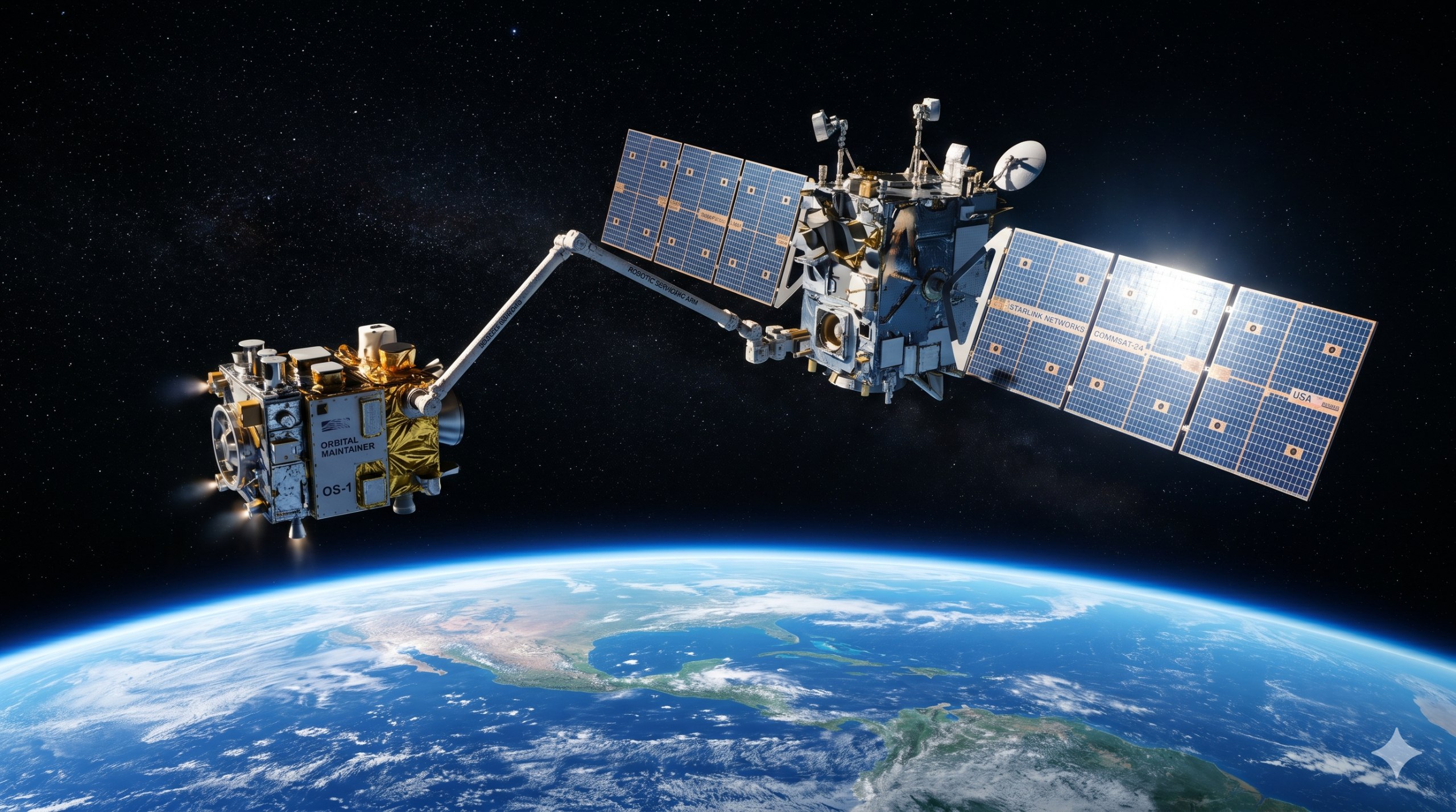
The Business Logic of In-Orbit Servicing
A typical GEO communications satellite costs $200-$500 million and has a design life of 15 years. Fuel deplet...
Microgravity Manufacturing Goes Commercial: From Laboratory Curiosity to Industrial Production Line
Microgravity manufacturing is undergoing one of th...
2026 Orbital Economy Annual Review: From Proof of Concept to Industrial Inflection Point
In 2026, the orbital economy formally transitioned from scien...