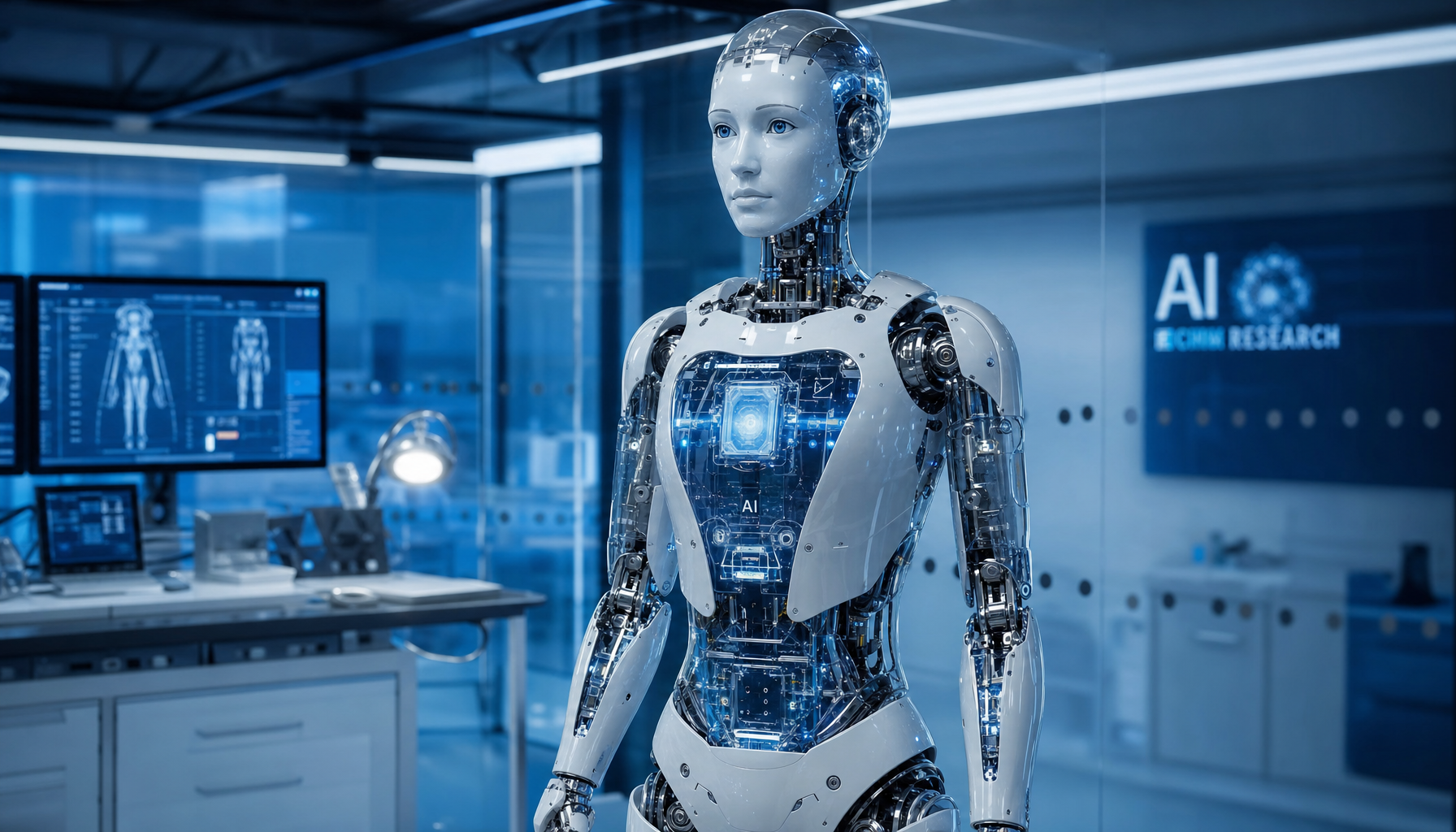
Humanoid Robots Enter the Factory: Figure AI × BMW's Milestone Deployment
In 2024, Figure AI reached a landmark commercial agreement with BMW: deploying 10 Figure 02 humanoid robots at the Spartanburg, South Carolina factory. This is the world's first case of a major automotive manufacturer integrating bipedal humanoid robots into a mass production line, marking a critical step for humanoid robots moving from demonstration prototypes to industrial applications.
Actual Deployment
The Figure 02 robots at the BMW factory primarily handle two types of tasks. The first is quality inspection of body weld points — the robot uses its onboard vision system to scan weld points, comparing against standard patterns in real-time and marking anomalous areas. The second is material handling of precision components — transporting large assemblies such as doors and dashboards from staging areas to assembly stations with precision.
According to operating data published by Figure AI in Q1 2026, the robot's weld point inspection accuracy has reached 99.3%, exceeding human workers' 97.8%. However, processing speed remains a bottleneck: humans inspect 12 weld points per minute, while robots manage approximately 5. In material handling tasks, the robot maintains a 98% task success rate, and the time required to learn and adapt to new production line configurations has decreased from an initial 6 weeks to approximately 2 weeks.
Commercial Agreement Framework
The two parties adopted a "Robotics as a Service (RaaS)" model — BMW does not purchase the robot hardware but pays service fees based on operating hours. This model significantly lowers the customer's upfront investment threshold while providing Figure AI with continuous data feedback to iterate its AI models. Industry estimates place the RaaS pricing for Figure 02 at approximately $20-30 per hour, with the agreement including exit clauses if performance fails to meet agreed standards.
Industry Significance
BMW's choice was based on a key judgment: humanoid robots can enter existing production lines without facility modification. The BMW Spartanburg factory has an annual production capacity of approximately 450,000 vehicles, with production lines designed according to human ergonomics — aisle widths, workbench heights, and tool handles are all human-scale. Humanoid robots can directly use these facilities without building dedicated automation islands, which is highly valuable in the automotive manufacturing environment where production lines are frequently adjusted.
However, deployment is currently limited to slow-speed, low-risk, non-value-added processes and has not yet entered the core cycle of main assembly lines. The Figure 02's battery life of approximately 5 hours requires rotation charging, which also limits its around-the-clock operational feasibility.
Disclaimer: This article is compiled by POC.HK Future Technology Observatory based on publicly available information and does not constitute investment advice.