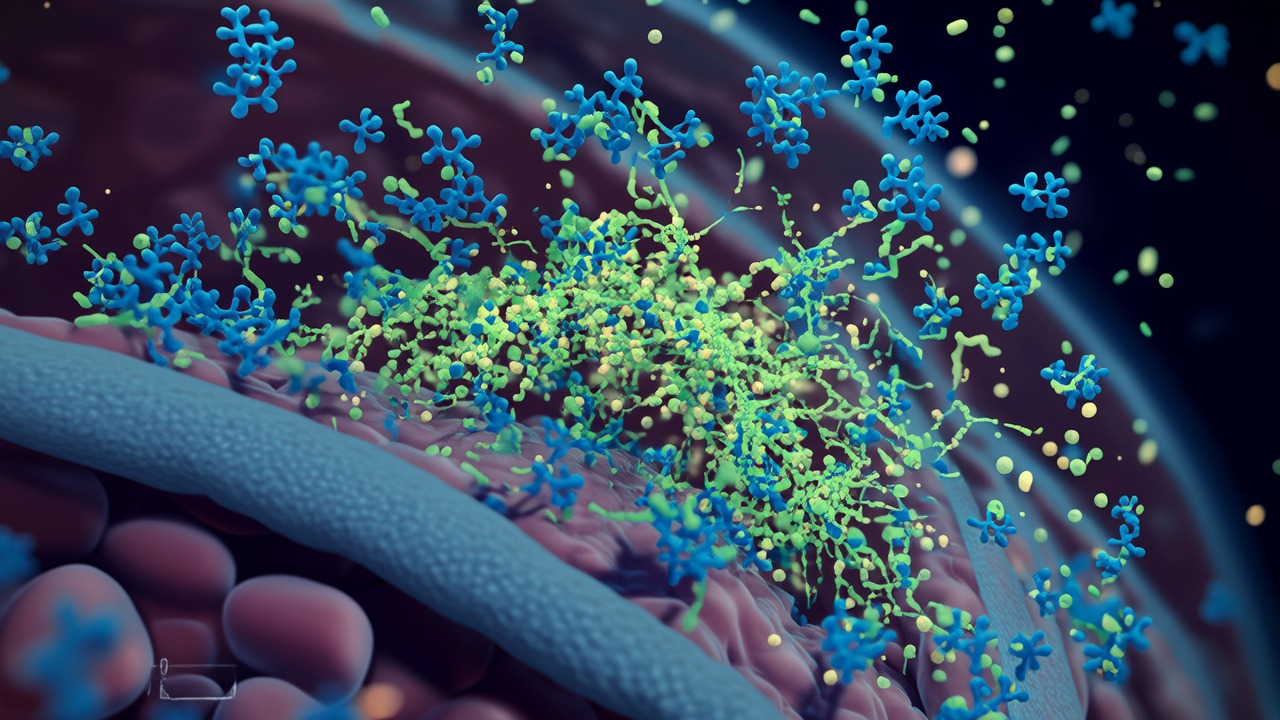
On June 12, 2026, a Stanford University research team published a landmark study in the journal Science that could fundamentally transform the treatment of osteoarthritis: by inhibiting an aging-related enzyme called 15-PGDH with a single injection, they fully reversed age-related cartilage loss in old mice and successfully triggered cartilage regeneration in human knee tissue samples. This discovery has been hailed by multiple international media outlets as "the most important orthopedic breakthrough in two decades."
Osteoarthritis (OA) is the most common joint disease globally, affecting approximately 595 million people. In the United States alone, 60 million patients generate an estimated $65 billion in annual direct healthcare costs. In China, with accelerated population aging, OA prevalence has exceeded 15%, affecting approximately 200 million people. It is the leading cause of disability among adults over 45 — surpassing heart disease, diabetes, and cancer combined.
Current treatment options for OA are severely limited: from NSAIDs and corticosteroid injections to joint replacement surgery — none restore cartilage or address the underlying biology of joint degeneration. The FDA has never approved any drug that slows, stops, or reverses cartilage loss in OA. This means hundreds of millions of patients worldwide are limited to symptomatic relief and eventual surgical replacement.
Core Discovery: How the 15-PGDH Inhibitor Works
The research team, led by Stanford School of Medicine aging and geriatrics experts, first conducted comprehensive gene expression analysis on cartilage cells from young and aged mice. They discovered that an enzyme called 15-hydroxyprostaglandin dehydrogenase (15-PGDH) shows significantly elevated expression in aging cartilage cells — in some cases several times higher than in young cells.
15-PGDH's primary function is to degrade prostaglandin E2 (PGE2). This appears counterintuitive since PGE2 is typically associated with inflammation, but in joint cartilage, appropriate levels of PGE2 are actually protective: they maintain chondrocyte survival, promote extracellular matrix synthesis, and inhibit apoptosis. In other words, increased 15-PGDH leads to excessive degradation of protective PGE2, undermining cartilage's self-repair and maintenance mechanisms.
Based on this discovery, the team designed a small-molecule 15-PGDH inhibitor administered via single intra-articular injection. Its mechanism of action follows a clear pathway:
- The inhibitor enters chondrocytes and binds to 15-PGDH, blocking its activity
- Intracellular PGE2 levels normalize
- PGE2 activates downstream signaling, particularly the EP4 receptor-cAMP-PKA pathway
- Chondrocytes regain the ability to synthesize collagen and proteoglycans
- New cartilage matrix begins to deposit, progressively repairing the degraded joint surface
Experimental results were striking:
- Aged mice: Equivalent to 70-80 year-old humans, received a single injection and completely reversed age-related cartilage loss, with joints restored to near-young healthy states. Histological analysis showed significant recovery of cartilage thickness and matrix density.
- Post-injury arthritis model: In models simulating sports injuries or post-accident joint damage, 50% of animals completely prevented arthritis development — an extremely rare outcome in OA research.
- Human tissue: Cartilage samples from knee replacement surgeries — already so degenerated that surgical removal was clinically necessary — began forming new cartilage tissue in laboratory culture conditions when exposed to the 15-PGDH inhibitor.
Paradigm Shift in OA Treatment
No FDA-approved disease-modifying osteoarthritis drug (DMOAD) currently exists on the market. All existing treatments fall under symptom management:
| Treatment | Mechanism | Effect | Limitation |
|---|---|---|---|
| NSAIDs | COX inhibition, reduce inflammatory mediators | 30-50% pain reduction | No cartilage repair; GI and cardiovascular risks with long-term use |
| Corticosteroid injections | Potent anti-inflammatory | Short-term relief (weeks-months) | No cartilage repair; may accelerate degeneration with repeated use |
| Hyaluronic acid | Supplement synovial fluid viscosity | Perceived improvement in some patients (possible placebo) | No cartilage repair; short duration |
| Joint replacement | Replace damaged joint with prosthesis | Good functional recovery | Invasive, limited lifespan (15-20 yrs), difficult revision surgery |
The 15-PGDH inhibitor represents an entirely different therapeutic logic: not managing symptoms, but restoring cartilage's biological function — a true disease-modifying therapy. If successfully advanced through human clinical trials, this would be the first genuine DMOAD in the history of OA treatment.
Clinical Development Pathway and Timeline
The 15-PGDH inhibitor has been licensed to Epirium Bio, a California-based biotechnology company, for commercial development. Epirium Bio previously focused on muscle wasting and neuromuscular diseases; this expansion into OA marks a significant strategic extension.
Completed:
- Proof-of-concept in animal models (Stanford, 2024-2026)
- Human tissue in vitro validation (Stanford, 2025-2026)
- Peer-reviewed publication in Science (June 2026)
Ongoing:
- Epirium Bio Phase 1 clinical trial for muscle weakness
- Approximately 60 healthy volunteers enrolled
- Preliminary data indicates favorable safety profile
- This provides critical safety data for OA trial regulatory submissions
Planned:
- Phase 2a proof-of-concept trial for knee OA (expected launch 2027-2028)
- Estimated 100-200 patients with moderate OA
- Primary endpoints: MRI cartilage volume change, WOMAC pain score
Estimated market availability: Optimistically 2030-2032 if trials proceed rapidly; a more realistic timeline is 2032-2035 given OA's chronic disease status requiring longer follow-up.
Market Impact and Competitive Landscape
The global OA treatment market is approximately $30 billion, growing at 7-8% annually with population aging. With no FDA-approved DMOAD currently on the market, the 15-PGDH inhibitor fills an enormous therapeutic void.
Key competitive technologies:
- Mesenchymal stem cell (MSC) therapies: Dozens of active clinical trials globally, but results inconsistent. Key issues include poor cell survival, high variability, and unclear regulatory classification.
- Gene therapy: AAV-based local expression of anti-inflammatory proteins. FDA has initiated regulatory discussions but no product approved.
- TissueGene (Invossa): Approved in South Korea but faced FDA clinical hold in US due to cell composition issues.
- Wnt pathway inhibitors: Targeting subchondral bone remodeling mechanisms; in Phase 2 trials.
The 15-PGDH inhibitor's key differentiating advantage is its direct targeting of the fundamental biological mechanism of cartilage degeneration — age-related metabolic dysregulation — rather than merely improving symptoms or environmental factors. If Phase 2 data is positive, it could achieve first-in-class status with significant market pricing power.
Risks and Realistic Considerations
The gap between exciting scientific discovery and accessible patient treatment is formidable. OA drug development is littered with failed transitions from animal models to humans. The most illustrative example is Tanezumab (anti-NGF antibody): despite excellent pain relief, it faced regulatory setbacks due to accelerated joint destruction safety signals.
Key risks for 15-PGDH inhibitor:
- Translation risk: Mouse and human cartilage biology differ significantly; human efficacy is not guaranteed
- Safety concerns: PGE2 plays roles in multiple physiological processes; even with local administration, potential systemic leakage requires validation
- Dosing frequency: Only single-injection short-term effects have been validated; long-term maintenance regimens remain unknown
- Intra-articular injection limitations: Clinical injection accuracy even with ultrasound guidance is only ~80%; inaccurate delivery could lead to treatment failure
Observatory Analysis
The deeper significance of this Stanford research lies in fundamentally changing OA research's foundational assumption — from "cartilage degeneration is irreversible" to "endogenous repair mechanisms can be reactivated." This parallels several major paradigm shifts in biomedical research over the past decade, most notably immune checkpoint inhibitors reactivating T cells against cancer.
From an investment perspective, the vast OA treatment void means the first approved DMOAD will command enormous commercial returns. Some analysts project peak annual sales of $5-10 billion if the 15-PGDH inhibitor reaches market. However, this requires 8-12 years of sustained R&D investment and regulatory navigation.
From a broader perspective, 15-PGDH is not merely an OA target — it's connected to broader aging biology. If this pathway demonstrates regenerative effects across both muscle and cartilage systems, it could emerge as a cross-tissue anti-aging therapeutic target with applications far beyond OA.
Key milestones over the next three years: Epirium Bio's OA Phase 2 trial initiation, single-injection durability data, and safety characterization. If Phase 2 can launch by 2027 with positive efficacy and safety data by 2029, this could become the most important orthopedic drug breakthrough of the 2030s.
Disclaimer: The information contained in this article is for reference only and does not constitute investment advice or business decision-making basis. Data and time-sensitive information are accurate as of the publication date and may change with subsequent developments. Neither the author nor POC.HK assumes any responsibility for losses resulting from the use of this information.