POC.HK Future Technology Observatory Special Report
Table of Contents
Chapter 1: Global Treatment Guidelines Compared — What Each Country Tells You
Chapter 2: The Science of Behavioral Interventions — From ABA to Naturalistic Models
Chapter 3: Speech, Language & Communication Training — PECS, AAC & Speech Therapy
Chapter 4: Social Skills Training — From Groups to VR
Chapter 5: Sensory Integration & Occupational Therapy
Chapter 6: The Truth About Medication — What Parents Must Know
Chapter 7: Emerging Digital Therapies — AI, VR, Robots & Wearables
Chapter 8: Dietary & Biomedical Interventions — Evidence Rating Table
Chapter 9: Neuromodulation — TMS, tDCS, Neurofeedback
Chapter 10: Practical Country Guides — Navigating Healthcare Systems Worldwide
Chapter 11: Parent Action Roadmap — From Diagnosis Through Adulthood
Chapter 12: Long-Term Outcomes & Real Success Stories — Science, Not Miracles
Conclusion: The Science of Hope
Appendix: Frequently Asked Questions & Key References
Introduction: Lost in the Fog
When a child is diagnosed with Autism Spectrum Disorder (ASD), parents are not handed a clear treatment roadmap. They are handed a dense fog.
This is not an exaggeration. From the United States to the United Kingdom, from Japan to Kenya, there is no universal "ASD treatment standard pathway." The American Academy of Pediatrics (AAP) recommends behavioral interventions as the cornerstone of treatment. The UK's NICE guidelines take a more cautious, evidence-restrictive stance. Japan's intervention system centers around TEACCH. Mainland China's intervention market ranges from world-class ABA centers to outright pseudoscience. And Hong Kong — a city with world-class medical infrastructure — forces parents to navigate a fragmented system of long public waiting lists and private providers charging anywhere from HKD 5,000 to HKD 40,000 per month, with wildly variable quality.
The parental dilemma is real, universal, and deeply underestimated. Social media offers conflicting advice from every direction. One friend says ABA is the only evidence-based method. Another insists Floortime is the truly respectful approach. Some promote hyperbaric oxygen chambers and chelation therapy. Others claim dietary changes can "reverse autism." Search engines return everything from peer-reviewed studies to miracle-product advertisements costing thousands of dollars.
In this environment of information overload without authoritative guidance, parents are forced to become self-taught researchers — scanning academic papers on PubMed, joining dozens of WhatsApp groups, calling every therapy center within reach, and cycling through methods by expensive trial and error. Some families find their way. Many more remain lost, spending enormous sums of money and — most painfully — losing their child's golden window for early intervention.
This report is designed to cut through that fog. We systematically survey global ASD treatment guidelines from major authorities, synthesize the latest systematic reviews and meta-analyses from 2020 through 2026, and present the findings in a way parents can actually understand and use. For every intervention method, we answer three questions clearly:
First: What is the level of scientific evidence? We apply the same evidence-grading standards used by Cochrane and WHO, so you can distinguish between "well-established," "emerging," and "not supported."
Second: How big is the real effect? Not the marketing claims, but the actual, reproducible improvements — with specific effect sizes and what they mean for your child.
Third: How should parents choose and begin? Practical, actionable advice that doesn't require a medical degree.
This is not a report selling miracles. ASD is a complex neurodevelopmental condition with no "cure" — anyone who tells you there is a shortcut is either ignorant or trying to take your money. But equally, this is not a report of despair. The scientific evidence is unequivocal: the right intervention, started early and sustained consistently, can fundamentally change an autistic child's developmental trajectory. From the perspective of neuroplasticity, the young brain is far more flexible and capable of rewiring than we once believed. From the perspective of behavioral science, structured, data-driven interventions produce remarkable results — not through magic, but through methods refined and validated over decades of research.
Chapter 1: Global Treatment Guidelines Compared — What Each Country Tells You
1.1 Why Is There No Universal Guideline?
This is one of the first questions every parent asks: if autism is a recognized medical condition, why don't doctors worldwide use the same treatment?
The answer lies in the definition of ASD itself. ASD is not a single disease entity but a spectrum of extraordinary heterogeneity. At one end, individuals may require round-the-clock support for severe intellectual disability and no functional language. At the other, highly articulate individuals with exceptional talents navigate the world primarily challenged by social communication differences. The needs of these two extremes are almost entirely different — applying uniform treatment standards to this continuous spectrum is neither possible nor appropriate.
Beyond biological heterogeneity, each country's healthcare system, cultural values, resource availability, and social welfare framework profoundly shape what "appropriate treatment" means. The insurance-driven US medical system inevitably produces different service models from the UK's tax-funded National Health Service. Japan's collectivist culture leads to different treatment goals than Western individualism. France's long history of psychoanalytic dominance in psychiatry created a completely different — and now discredited — approach to autism.
1.2 United States: AAP & CDC — Behavioral Intervention as the Foundation
The American Academy of Pediatrics (AAP) and the US Centers for Disease Control and Prevention take the clearest and most definitive position globally: behavioral intervention is the first-line treatment for core ASD symptoms, and all other interventions (medication, diet, etc.) serve only as adjuncts.
The AAP's 2020 clinical report (with 2023 and 2025 updates) establishes several key recommendations. First, intervention should begin immediately upon diagnosis — not a single day should be wasted. For children under 30 months with clear early signs of ASD, intervention should begin even before a formal diagnosis is complete; the "wait and see" approach is explicitly rejected. For diagnosed children, at least 25 hours per week of structured intervention is recommended. This figure comes from epidemiological data: when intervention intensity falls below 15 hours per week, improvement is negligible; when it exceeds 20 hours, the effect curve steepens significantly.
The recommended behavioral interventions include Applied Behavior Analysis (ABA), listed as having the strongest evidence base with the longest research history. The Early Start Denver Model (ESDM) is recommended as the preferred comprehensive intervention for children aged 12-48 months, validated by multiple randomized controlled trials. Pivotal Response Treatment (PRT) is recommended as a targeted intervention for language and social motivation.
Crucially, the AAP explicitly states: medication is for managing co-occurring conditions only — irritability, aggression, self-injury, and ADHD symptoms — NOT for core symptoms. As of 2026, no medication has been approved for treating social communication deficits or repetitive behaviors, the two core domains of ASD. This is a critical fact that many parents are never told.
The US has a unique legal advantage. As of 2026, 48 states plus Washington DC mandate that private health insurance covers ASD behavioral treatment. This means American families can access intensive ABA services — which would cost USD 50,000-100,000 per year at market rates — for deductibles of USD 1,000-5,000 annually. No other country provides this level of insurance-mandated access.
However, the US model faces growing criticism. The neurodiversity movement increasingly argues that ABA overemphasizes "normalization" — teaching children to appear "normal" at the expense of their autistic identity. Some autistic adults have shared traumatic memories of childhood ABA on social media, sparking important societal reflection. Since 2023, US industry standards have undergone significant revision toward more child-centered, neurodiversity-respecting practices.
1.3 United Kingdom: NICE Guidelines — Cautious and Rigorous
The UK's National Institute for Health and Care Excellence (NICE) takes a notably more cautious evidence-based approach. While NICE's psychosocial intervention guidelines (CG170 and related) share common ground with US recommendations, there are critical differences.
NICE recommends psychosocial interventions as first-line treatment for autistic children. The term "psychosocial intervention" is broader than "behavioral intervention" and encompasses ABA, ESDM, and other developmentally-based approaches. However, NICE explicitly does not endorse specific commercial ABA programs as "standard therapy," instead recommending the broader category of "early intervention programs." In practice, this means NICE accepts ABA principles without endorsing any particular ABA brand.
The medication threshold is significantly higher than in the US. NICE recommends considering Risperidone or Aripiprazole only after behavioral interventions have proven insufficient AND symptoms are severe. A child psychiatrist must prescribe these medications — general practitioners typically cannot.
NICE's position on other interventions: school-based social skills training is positively recommended but requires structured curricula. Parent training programs receive strong recommendation as foundational for all families. Social Stories receive cautious positive recommendation with emphasis on individualization. TEACCH is not recommended as a standalone intervention but may form part of a comprehensive educational approach.
NICE's greatest strength is its methodological rigor — every recommendation is based on systematic review and RCT evidence. However, this rigor means the guidelines can lag behind clinical practice, as many widely-used interventions lack the specific quality of evidence NICE requires.
1.4 Australia's Three-Tier System
The Australian Cooperative Research Centre for Living with Autism developed an influential three-tier classification: "established," "emerging," and "unsupported." ABA and ESDM are classified as "established." DIR/Floortime is classified as "emerging" — meaning there is some evidence but more research is needed. Gluten-free casein-free diets and chelation therapy are explicitly classified as "unsupported." This three-tier system has been adopted or adapted by several countries and remains influential a decade after its introduction.
1.5 Japan and East Asia
Japan's ASD treatment system is overwhelmingly dominated by TEACCH (Treatment and Education of Autistic and Related Communication-Handicapped Children). Universal screening at 18 and 24 months gives Japan one of the lowest diagnostic delays in the world. However, ABA adoption rates are far lower than in the US — partly due to cultural reservations about behaviorist approaches and partly due to a shortage of Board Certified Behavior Analysts (BCBAs). Japanese health insurance does not cover ABA but does cover speech therapy and occupational therapy.
South Korea and Taiwan have developed blended models combining TEACCH with selected ABA elements.
1.6 The European Patchwork
The European Union has no unified ASD treatment guideline, and national approaches vary dramatically. Nordic countries (Sweden, Denmark, Norway) provide free early intervention through public systems, primarily ESDM and TEACCH, with emphasis on inclusive education. Germany's health insurance covers behavioral therapy, but wait times of 6-12 months are common. France had a long history of psychoanalytic dominance — autism was attributed to parent-child relationship problems until the Health Ministry formally declared psychoanalysis inappropriate for ASD in 2012, though clinical practice transitions remain slow.
1.7 Hong Kong — A System Under Pressure
Hong Kong's ASD services are provided by three separate government systems — Social Welfare Department, Education Bureau, and Hospital Authority — creating a complex but comprehensive service network. The Social Welfare Department handles pre-school services: Early Education and Training Centres (EETC) provide 1-3 sessions per week for children aged 0-6. Special Child Care Centres (SCCC) offer full-day programs for more severely affected children. The Education Bureau manages school-age services through Integrated Education in mainstream schools (with learning support assistants and educational psychologists) and special schools. The Hospital Authority handles diagnostic assessment and medication management.
The core challenge for Hong Kong families is the contradiction between waiting times and the golden intervention window. From first suspicion to completing public system assessment: 6-12 months. From diagnosis to receiving subsidized EETC services: another 6-12 months. A child diagnosed at age 2 may not begin public intervention until age 3.5 — having already missed significant neuroplasticity opportunities.
Practical strategy for Hong Kong families: Do NOT wait for public services. Begin private intervention the moment ASD is suspected. Heep Hong Society offers subsidized bilingual (Chinese/English) services at better value than most private centers. Some families access ABA centers in Shenzhen at one-third to one-half of Hong Kong prices. Always verify therapist credentials — look for BCBA or BCBA certification.
Chapter 2: The Science of Behavioral Interventions — From ABA to Naturalistic Models
2.1 ABA — Evidence's Gold Standard, and the Full Picture
Applied Behavior Analysis has the strongest evidence base of any ASD intervention. Systematic reviews and meta-analyses consistently show that ABA-based intensive intervention significantly improves IQ, language, adaptive behavior, and social skills in autistic children.
Scale of Evidence:
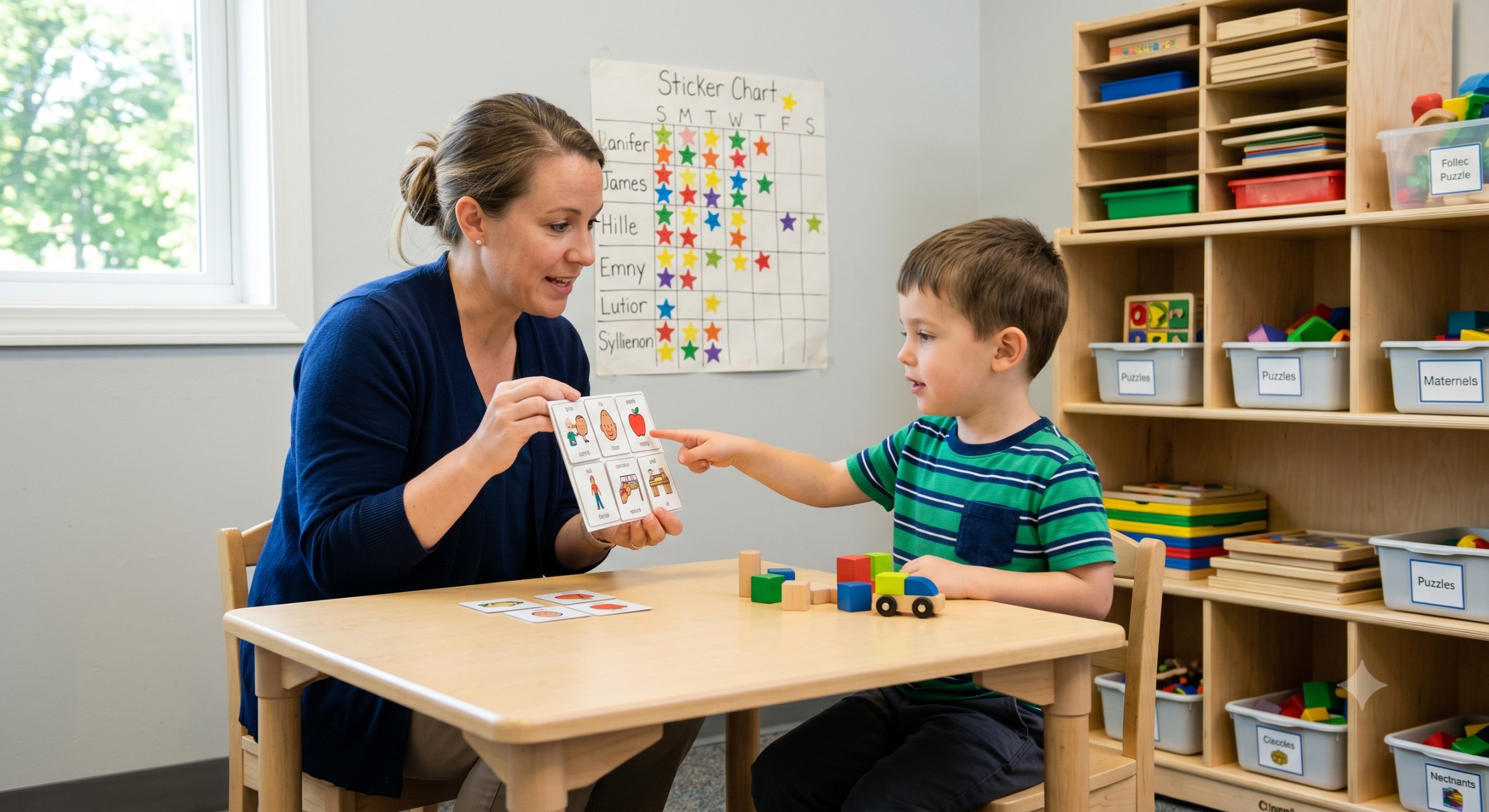
Figure 2: ABA one-on-one structured teaching — the therapist uses flashcards for language and cognitive training with a positive reinforcement system.
Project AIM (2023, published in BMJ) — a landmark meta-analysis covering over 250 studies and tens of thousands of children — confirmed that early behavioral intervention produces statistically significant positive effects on social communication, with combined effect sizes in the 0.3-0.5 range (moderate). This means the average treated child improves by about half a standard deviation more than the average untreated child. Not a "miracle," but for a complex neurodevelopmental condition, this is a substantial improvement.
Reichow et al.'s (2018) Cochrane review of Early Intensive Behavioral Intervention (EIBI) found that treated groups improved 15-20 IQ points (versus approximately 7 points in controls), with significant gains in language ability.
Sandbank et al.'s meta-analysis (2020, updated 2024) identified a critical pattern: effects were most consistent when interventions explicitly used ABA principles (functional analysis, reinforcement, shaping). When studies labeled their intervention "behavioral" but did not systematically apply ABA techniques, effects were inconsistent.
Real Effect Data (synthesized from multiple systematic reviews):
IQ improvement: 10-20 points on average, equivalent to 0.5-1.0 effect size. Notably, gains are most pronounced in children with baseline IQ below 70 — the ceiling effect limits further gains in children already in the normal range.
Language: moderate improvement (SMD 0.3-0.5), meaning language scores approximately one-third to one-half standard deviation above controls.
Adaptive behavior (daily living skills such as dressing, feeding, toileting): smaller effect (SMD 0.2-0.4).
Problem behavior (aggression, self-injury, tantrums): significant reduction of 30-50%, with the strongest effect sizes.
Social communication: moderate improvement (SMD 0.3-0.4).
Who Responds Best? Research has identified several reliable predictors. Children who begin intervention earlier — ideally between ages 2 and 4 — show the strongest gains. Those with some pre-existing language (even a few words) progress faster. Baseline IQ above 50 is associated with larger improvements. And high parent involvement — families receiving weekly parent training demonstrate significantly better outcomes.
Criticism and Transformation:
The neurodiversity movement and autistic self-advocates have raised several valid criticisms of ABA. An overemphasis on "compliance" and "normalization" in goal-setting can suppress autistic children's individual traits and natural coping mechanisms. Some ABA practices — particularly early versions using aversive procedures — caused genuine trauma. Training targets such as forced eye contact and enforced stillness have been criticized for ignoring the neurobiological reality of autism.
Modern ABA has responded with significant changes. Natural Environment Teaching (NET) embeds instruction in play and daily activities rather than desk-based drills. Pivotal Response Treatment (PRT) targets motivation and self-initiation rather than discrete compliance. Functional Communication Training (FCT) teaches replacement communication skills. Punishment-based procedures have been eliminated from ethical ABA practice. Contemporary ABA looks very different from the desk-based discrete trial teaching of previous decades.
2.2 ESDM — The Most RCT-Validated Comprehensive Model
The Early Start Denver Model, developed by Sally Rogers and Geraldine Dawson, is the only comprehensive early intervention model validated by multiple randomized controlled trials. It blends ABA teaching principles with developmental psychology frameworks.
Key RCT Evidence:

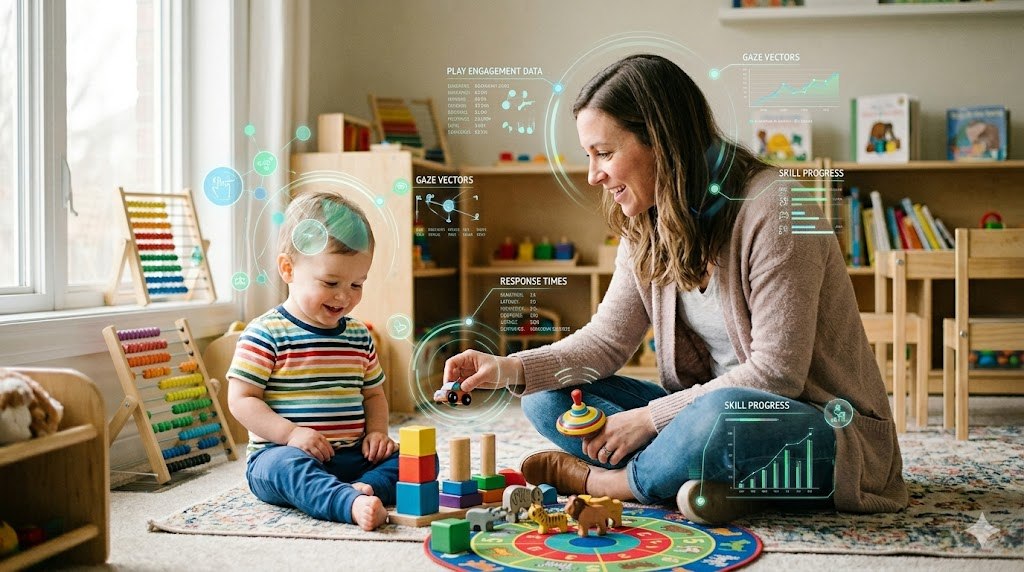
Figure 1: ESDM naturalistic play therapy — the therapist follows the child's lead, embedding teaching opportunities in everyday play.
Dawson et al. (2010), published in Pediatrics, tracked 48 children aged 18-30 months randomized to ESDM or community services. After two years of 25 hours/week intervention, the ESDM group gained approximately 18 IQ points (from ~60 to ~78), while controls gained only about 7 points. Many ESDM children showed significant improvements in diagnostic classification — some moved from "autism" to "autism spectrum" or no longer met diagnostic criteria.
Rogers et al. (2019) followed the same cohort to age 6 and found that ESDM children's EEG patterns more closely resembled those of typically developing children, suggesting lasting neuroplastic changes.
A 2024 cross-cultural ESDM study assessed effectiveness across diverse cultural contexts, finding good cross-cultural applicability but reduced effects in lower-resource environments.
ESDM vs Traditional ABA:
ESDM differs fundamentally from traditional Discrete Trial Teaching (DTT). In teaching context, DTT uses desk-based structured trials while ESDM teaches in natural play settings. In child role, DTT requires passive response to instructor commands while ESDM encourages active initiation and choice-making. For reinforcement, DTT relies on external rewards (candy, tokens) while ESDM uses natural reinforcement (intrinsic enjoyment of the activity). For curriculum, DTT breaks skills into smallest teachable units while ESDM organizes goals by typical developmental sequences. For therapist role, DTT positions the therapist as teacher/trainer while ESDM positions them as partner/facilitator.
These differences make ESDM feel more natural to most parents and easier to implement in daily family life.
2.3 PRT — Pivotal Response Treatment
PRT, developed by Robert and Lynn Koegel, targets "pivotal" areas believed to produce widespread collateral effects: motivation, response to multiple cues, self-management, and self-initiation.
Core strategies include: child choice (allowing the child to select activities within reason), natural reinforcement (reinforcement directly related to the behavior, not external), task interspersal (mixing mastered and new tasks to maintain motivation), reinforcement of attempts (reinforcing any reasonable communication attempt, regardless of perfection).
Multiple RCTs show PRT significantly improves language function, play skills, and social initiation. A 2016 meta-analysis reported effect sizes of 0.5-0.7 for expressive language. PRT's particular advantage is its ease of parent implementation — trained parents can maintain high fidelity in daily home environments.
2.4 TEACCH — Structured Teaching
TEACCH creates highly predictable learning and living environments through visual supports. Its design philosophy is that autistic individuals process information differently — relying more on visual processing, attending to details, and preferring predictability — and that environments should be organized around these characteristics.
The four TEACCH components are: visual schedules (showing activity sequences through pictures or words), work systems (showing what to do, how much, and when finished), visual structure (using visual boundaries in physical space), and routine predictability (establishing predictable daily activity patterns).
Evidence: A 2013 meta-analysis found TEACCH effects on perceptual, motor, and cognitive skills were small (0.2-0.5 effect size). A 2024 systematic review confirmed TEACCH's most consistent effects on adaptive behavior (daily living skills), with weaker effects on social communication compared to ABA and ESDM. TEACCH performs notably better in Asia (Japan, Taiwan) than in Western contexts, likely because Asian educational environments are more naturally aligned with structured teaching approaches.
2.5 DIR/Floortime — The Relationship-Based Model
DIR/Floortime, developed by Stanley Greenspan and Serena Wieder, emphasizes emotional relationships as the engine of development. Rather than working from external behavior, Floortime enters the child's emotional world and meets them at their developmental level.
Evidence: Solomon et al. (2007) RCT found Floortime significantly improved social-emotional functioning. The ICDL evidence summary (May 2025 update) compiled 18 studies including 4 RCTs, showing effectiveness in social interaction and parent-child relationship quality. However, compared to ABA, DIR/Floortime has very few RCTs — fewer than 10 — with small sample sizes and limited long-term follow-up. Most evidence quality ratings place Floortime as "promising but needing more research."
Expert consensus: Floortime is best used as part of a comprehensive intervention plan, not as a sole or primary method. It is particularly suitable for children who show marked resistance to structured teaching.
2.6 The Dose-Response Question — How Many Hours Per Week?
This is among the most frequently asked parent questions. The academic consensus: a dose-response relationship exists but is not linear.
Low dose (1-5 hours/week): some improvement detectable, but usually insufficient to change developmental trajectory. Moderate dose (10-15 hours/week): effective for specific skills such as language and social initiation. High dose (20-40 hours/week): associated with the most significant cognitive and language gains. Very high dose (40+ hours/week): diminishing marginal returns with risk of child and family burnout.
Linstead et al. (2017) analyzed 618 autistic children and found that more than 25 hours/week correlated with optimal outcomes, but gains plateaued beyond 35 hours. Critically, intervention quality matters more than quantity — poor-quality high-intensity intervention produces worse results than good-quality moderate-intensity intervention.
For Asian families, a practical approach: during the initial diagnostic period (especially ages 2-5), aim for 20-25 hours/week as close as family resources allow. When the child enters school, gradually shift some hours toward school-based support.
2.7 Parent-Mediated Intervention — Best Value Option
For families unable to access intensive professional intervention due to financial constraints, geographic isolation, or wait times, parent-mediated intervention (PMI) is the WHO-recommended alternative.
Effectiveness Data:
Green et al. (2017) — the iBASIS-VIPP trial published in The Lancet — found that parent-mediated intervention for high-risk infants significantly reduced ASD symptom severity at follow-up. Pickles et al. (2016) — the PACT trial — found that communication-focused parent intervention produced moderate reductions in ASD symptom severity sustained at 6-year follow-up. Large-scale meta-analyses show PMI produces statistically significant but moderate effects on child communication skills and problem behavior (effect size 0.3-0.5).
WHO's CST Program: The Caregiver Skills Training program has been deployed in over 30 countries. It consists of 9 group sessions and 3 home visits covering communication in play and daily activities, functional behavior analysis, problem behavior management, and self-care skills.
In Hong Kong, Heep Hong Society offers CST in both Chinese and English. For families on public service waitlists, joining CST is an immediately available, effective step.
Chapter 3: Speech, Language & Communication Training — PECS, AAC & Speech Therapy
3.1 The Landscape of Language Delay in ASD
Language delay is among the most common first signs of ASD. Approximately 25-30% of autistic children remain minimally verbal at school age. For these children, timely augmentative and alternative communication (AAC) intervention is critical.
The long-standing myth that "AAC prevents speech development" has been thoroughly debunked by multiple studies. Evidence consistently shows that AAC not only does not inhibit spoken language but can actually facilitate its emergence by reducing communication barriers and increasing successful communication experiences.
3.2 PECS in Detail
The Picture Exchange Communication System, developed by Andy Bondy and Lori Frost in 1985, teaches functional communication through six phases.
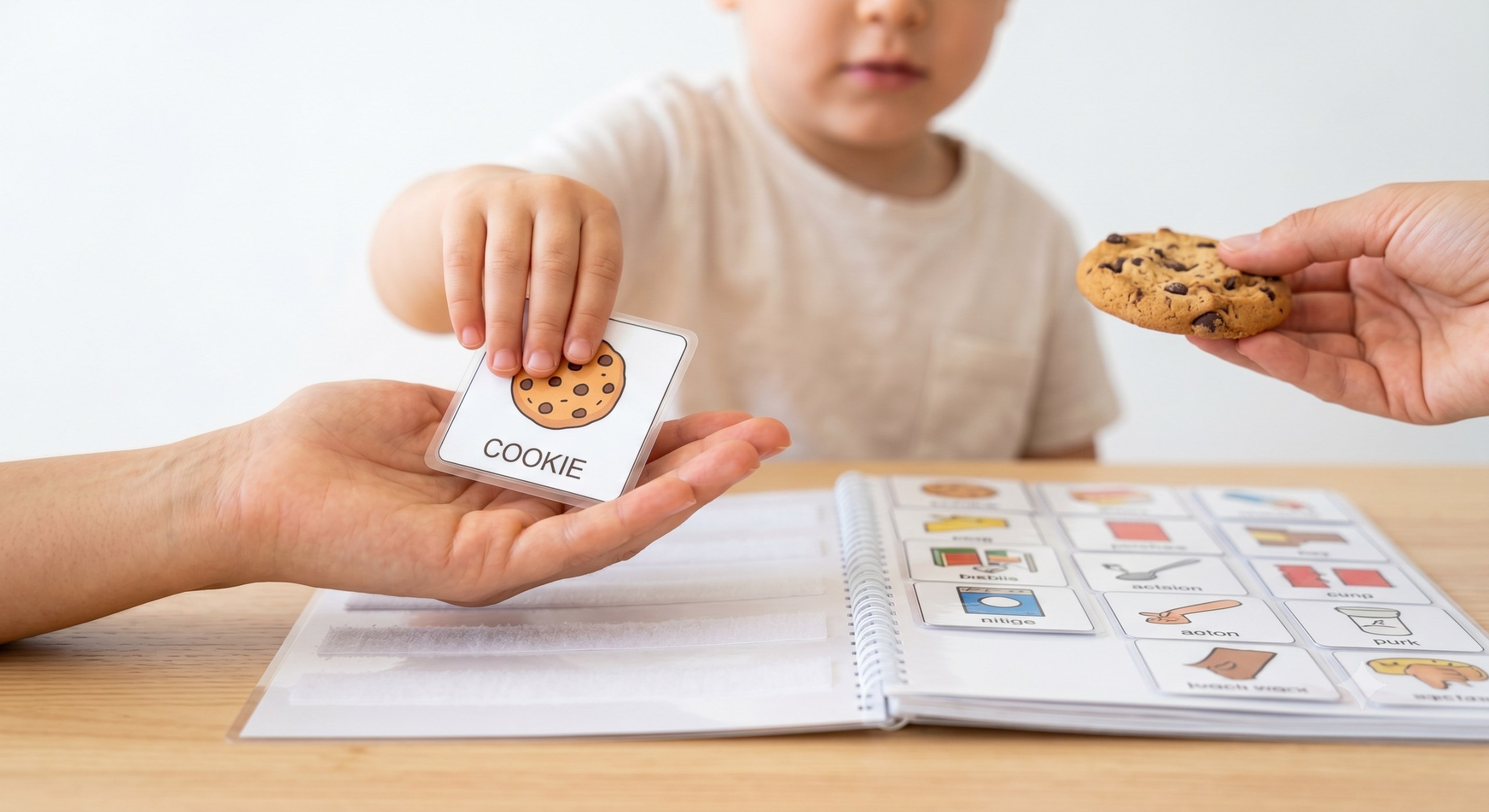
Figure 3: PECS picture exchange communication training — the child exchanges a "COOKIE" picture card for a real cookie, establishing the communication-reward connection.
Phase 1: Physical exchange — the child picks up a picture and hands it to a communication partner to request a desired item. Phase 2: Spontaneity — the child walks to the communication board to initiate exchange independently. Phase 3: Picture discrimination — the child selects the correct picture from multiple options. Phase 4: Sentence structure — the child uses an "I want + picture" sentence strip. Phase 5: Answering questions — the child responds to "What do you want?" Phase 6: Commenting — the child uses pictures to comment on the environment.
Evidence summary: A 2010 meta-analysis (27 studies) reported moderate-to-large effects on communication initiation and requesting (0.5-1.0 effect size). However, evidence on whether PECS directly promotes spoken language is mixed — some studies report increased natural speech, others find no significant effect. A 2024 systematic review confirmed PECS has stable immediate effects on functional communication but noted that evidence for long-term language development needs further study.
3.3 High-Tech AAC Revolution
AAC technology has undergone revolutionary changes in the 2020s. Dynamic display AAC apps (Proloquo2Go, LAMP Words for Life) on iPads provide complete communication systems with speech output and adaptive vocabulary databases. Eye-tracking systems (Tobii Dynavox) allow individuals with motor impairments to communicate through gaze alone. AI predictive text uses language models to anticipate the user's next word based on context.
Studies consistently show that children using high-tech AAC outperform those using low-tech systems (picture cards) in communication initiation frequency, vocabulary diversity, and communication efficiency. However, device cost, technical maintenance, and therapist training remain significant barriers.
3.4 Pragmatic Language Intervention
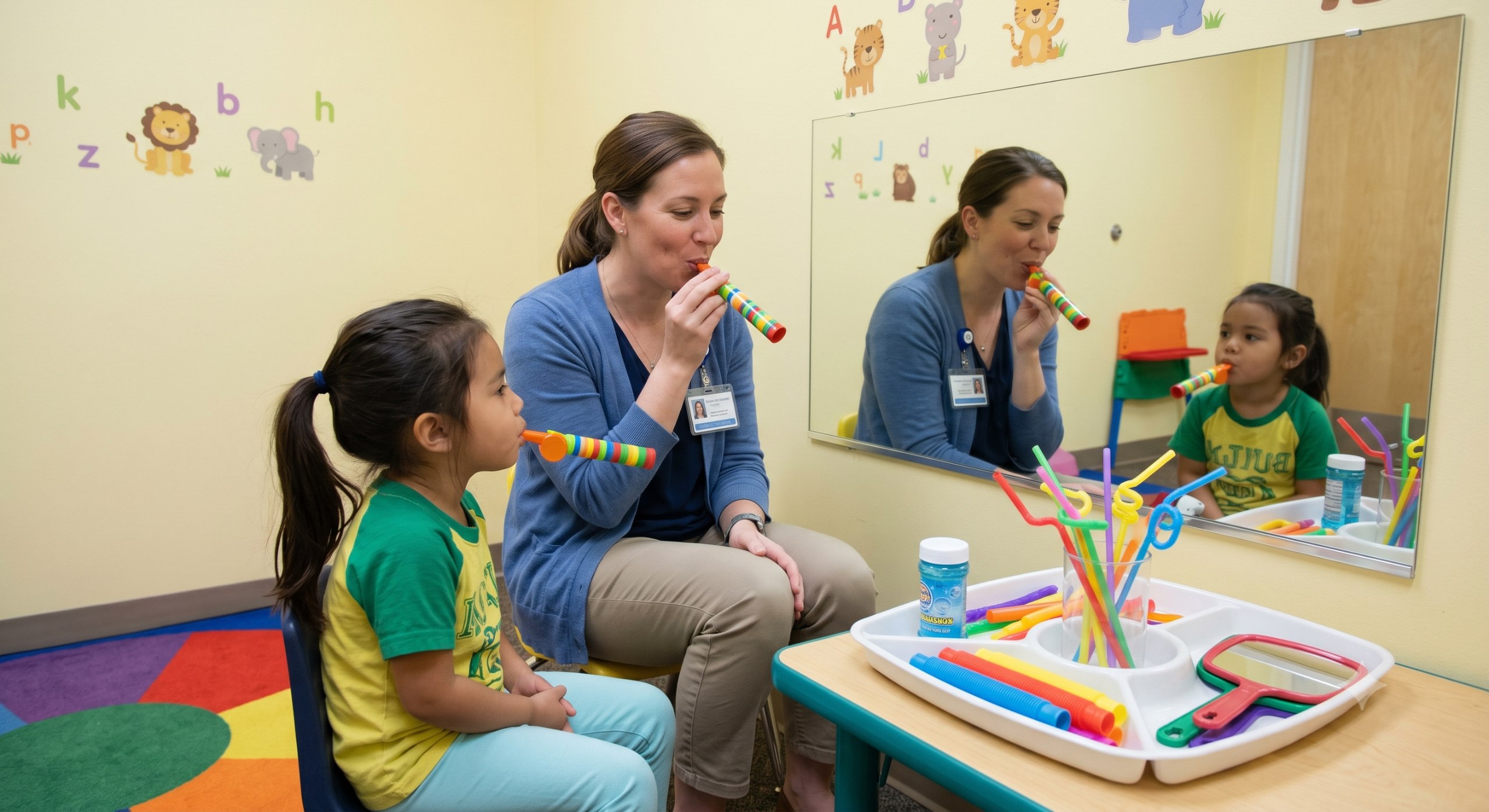
Figure 4: Speech therapy — oral motor training with therapist and child practicing blowing and oral coordination facing a mirror.
For verbally fluent children with ASD, the real challenge is pragmatics — difficulty interpreting metaphor, sarcasm, and humor, trouble maintaining conversational reciprocity, and misreading nonverbal cues.
Social Stories (Carol Gray): personalized narratives teaching specific social situations. Meta-analyses show moderate effects (0.5 effect size), with low-to-moderate evidence quality. Social Thinking (Michelle Garcia Winner): a social cognition curriculum effective for school-age children but lacking large-scale RCTs. Video modeling: using recorded demonstrations of target behaviors — solid evidence base (0.5-0.7 effect size).
Chapter 4: Social Skills Training — From Groups to VR
4.1 The Generalization Problem
Traditional social skills training (SST) uses weekly group sessions where therapists teach specific social rules and techniques through instruction and role-play. A large meta-analysis (Gates et al., 2017, 19 RCTs) found small-to-moderate immediate effects (0.3-0.5 effect size) but poor long-term maintenance. Skills learned in training rarely transfer to natural social environments.
The root cause: traditional SST teaches in artificial, structured environments that lack the complexity, unpredictability, and pressure of real social situations. The field has responded by shifting toward peer-mediated interventions — training typically developing peers as social partners in natural settings.
4.2 PEERS — The Most Evidence-Based Social Program
UCLA's PEERS program is the best-validated social training intervention for adolescents. Unlike traditional SST, PEERS simultaneously trains adolescents and parents (parents as social coaches), assigns weekly homework requiring real social practice, covers topics ranging from "how to call a friend" to "handling rejection," and uses Socratic guidance rather than didactic instruction.
Multiple international RCTs demonstrate: significant improvement in social skills knowledge, increased frequency of social activities (initiating get-togethers, attending parties), decreased social anxiety, and successful cross-cultural validation in Taiwan, Korea, and Hong Kong. Some studies report over 70% of participants expanded their social networks.
4.3 VR Social Training

Figure 5: VR social skills training — an adolescent practices social scenarios in a virtual classroom while a therapist monitors via screen.
A landmark 2025 systematic review published in the Journal of Medical Internet Research (PMID: 39907288) evaluated VR social skills interventions across multiple studies. Key findings: VR interventions effectively improve social skills in high-functioning autistic children and adolescents, with effects persisting after controlling for baseline differences. VR's unique advantages include safe practice environments (mistakes carry no real social consequences), scenario repeatability (the same situation can be practiced until mastery), and graduated difficulty progression from simple greetings to complex group conversations.
Most effective applications: simulated classrooms, job interviews, public transport scenarios, and peer interaction scenarios.
Chapter 5: Sensory Integration & Occupational Therapy
5.1 The Pervasiveness of Sensory Differences
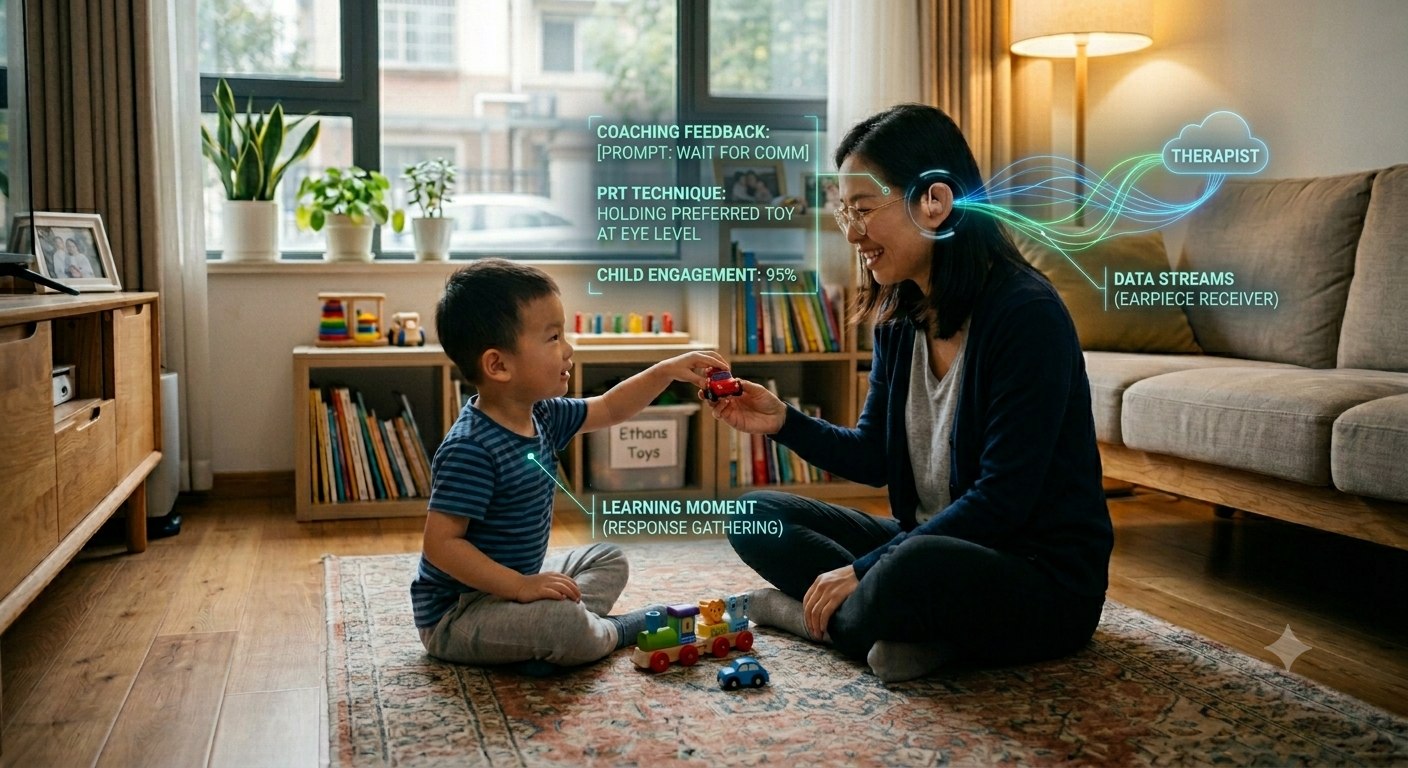
Figure 10: Sensory integration therapy — a child with ASD receives structured sensory input in a therapy room while the therapist guides and observes the response.
Over 80% of autistic individuals report atypical sensory processing. These manifest in two patterns — hypersensitivity (over-responsivity) and hyposensitivity (under-responsivity), sometimes in different sensory channels within the same individual. Clinical presentations include extreme fear of specific sounds (vacuum cleaners, hand dryers, crowd noise), tactile defensiveness (resistance to sand, water, paint, toothbrushes, clothing tags), extreme food selectivity (accepting only 5-10 foods), and vestibular/proprioceptive differences manifesting as intense rocking, spinning, or head-banging.
These sensory issues are not "minor inconveniences" — they directly affect learning opportunities and social participation. A child unable to enter the school cafeteria due to noise hypersensitivity is effectively being denied critical social learning experiences.
5.2 The Sensory Integration Controversy
Ayres Sensory Integration (ASI) theory hypothesizes that controlled sensory input can reorganize how the brain processes sensory information. The evidence is contested. Proponents cite numerous case studies and pre-post designs showing reduced sensory defensiveness and improved attention. Critics point to the lack of high-quality RCTs and fundamental theoretical problems.
The 2019 Cochrane review concluded "insufficient evidence to recommend or oppose sensory integration therapy." A 2023 systematic review found unstable effects when ASI is used as a standalone treatment but improved effects when integrated into comprehensive intervention plans targeting functional goals.
5.3 The Role of Functional Occupational Therapy
Unlike theory-driven ASI, functional occupational therapy targeting specific life skills has stronger evidence (0.4-0.6 effect size). This includes fine motor training (handwriting, utensil use, buttoning), environmental modifications (noise-canceling headphones, weighted vests, pressure blankets, classroom seating adjustments), and sensory diets (scheduled sensory activities — 5 minutes of jumping, swinging, or deep pressure every two hours).
5.4 Strategies Parents Can Use Immediately
Environmental noise reduction, pre-activity sensory warm-up (5-10 minutes of vigorous input before seated tasks — significantly improves subsequent attention), deep pressure input (weighted blankets, joint compression), oral sensory strategies (chew tubes, straw drinking, blowing activities), and routine predictability (visual schedules and transition warnings to reduce sensory transitions).
Chapter 6: The Truth About Medication — What Parents Must Know
6.1 The Hard Fact That Must Be Accepted
As of 2026, no medication has been approved for treating core ASD symptoms — social communication deficits and restricted, repetitive behaviors. All medications target co-occurring conditions and specific behavioral symptoms.
This fact surprises most parents, but it is critical information. ASD is not a condition that can be "medicated away" any more than a person's personality or cognitive style can be. What is marketed as "autism medication" is actually either a second-generation antipsychotic, an ADHD medication, or an antidepressant — each with specific target symptoms, and none targeting autism itself.
6.2 FDA-Approved Medications in Detail
Only two medications have received FDA approval for ASD-related indications.
Risperidone: Approved for irritability, aggression, and self-injurious behavior in autistic children aged 5-16. Multiple RCTs show effectiveness in reducing these behaviors (0.6-0.8 effect size), with effects observable within 1-2 weeks. However, side effects are significant: weight gain (3-5 kg within 6 months), sedation and drowsiness, elevated prolactin (potential gynecomastia in males), and extrapyramidal symptoms.
Aripiprazole: Approved for irritability in autistic children aged 6-17. Similar efficacy to risperidone with possibly better tolerability — less weight gain, but similar rates of sedation and nausea.
The critical limitation: these drugs address severe behavioral symptoms, not core ASD traits. After medication, the child's social communication abilities do not automatically improve — that remains the domain of behavioral intervention.
6.3 Managing Co-Occurring Conditions
ADHD symptoms: Methylphenidate (Ritalin) is effective for ADHD symptoms in ASD but with lower effect sizes than in typical ADHD (0.3-0.5 vs 0.6-0.8) and higher side effect rates. Guanfacine and Clonidine are common alternatives with better side effect profiles but lack large RCTs.
Anxiety: SSRIs (fluoxetine, sertraline) show low-to-moderate evidence in ASD. A critical clinical issue: autistic individuals are more sensitive to behavioral activation side effects (agitation, insomnia, impulse increase) than the general population. SSRIs should therefore start at very low doses with much slower titration than typical antidepressant protocols.
Sleep: Melatonin has the strongest evidence base of any biological intervention in ASD (multiple RCTs, 0.8-1.2 effect size — large). It significantly shortens sleep onset time, reduces night waking, and has minimal side effects. A 2023 systematic review explicitly recommends melatonin as first-line pharmacological treatment for ASD sleep problems.
6.4 Emerging Pharmacological Directions
Oxytocin nasal spray was once highly anticipated — the logic connecting a social behavior neuropeptide to autism's core social deficits seemed perfect. But large 2023 and 2024 RCTs proved disappointing: oxytocin failed to significantly improve social function. Research has pivoted to personalization — who benefits, when, and at what dose.
Bumetanide, a decades-old diuretic, was found to modulate GABA receptor function. Small trials showed promise for social function, but large trials produced inconsistent results. It remains investigational.
N-acetylcysteine (NAC), an antioxidant, shows some potential for reducing irritability and repetitive behaviors in small studies, but evidence is insufficient for routine recommendation.
6.5 Red Flag Warnings — Absolutely Unsafe
Chelation therapy has caused multiple child deaths documented in medical literature. Hyperbaric oxygen therapy's multiple RCTs conclusively show no effect on core ASD symptoms. Secretin's multiple double-blind RCTs consistently produced negative results. Stem cell therapy, despite aggressive marketing, has zero RCT support and carries infection, tumor, and unknown long-term risks.
The parent's core defense: if a treatment is not recommended by any country's official medical guidelines, be extremely skeptical.
Chapter 7: Emerging Digital Therapies — AI, VR, Robots & Wearables
7.1 The AI Diagnosis Revolution
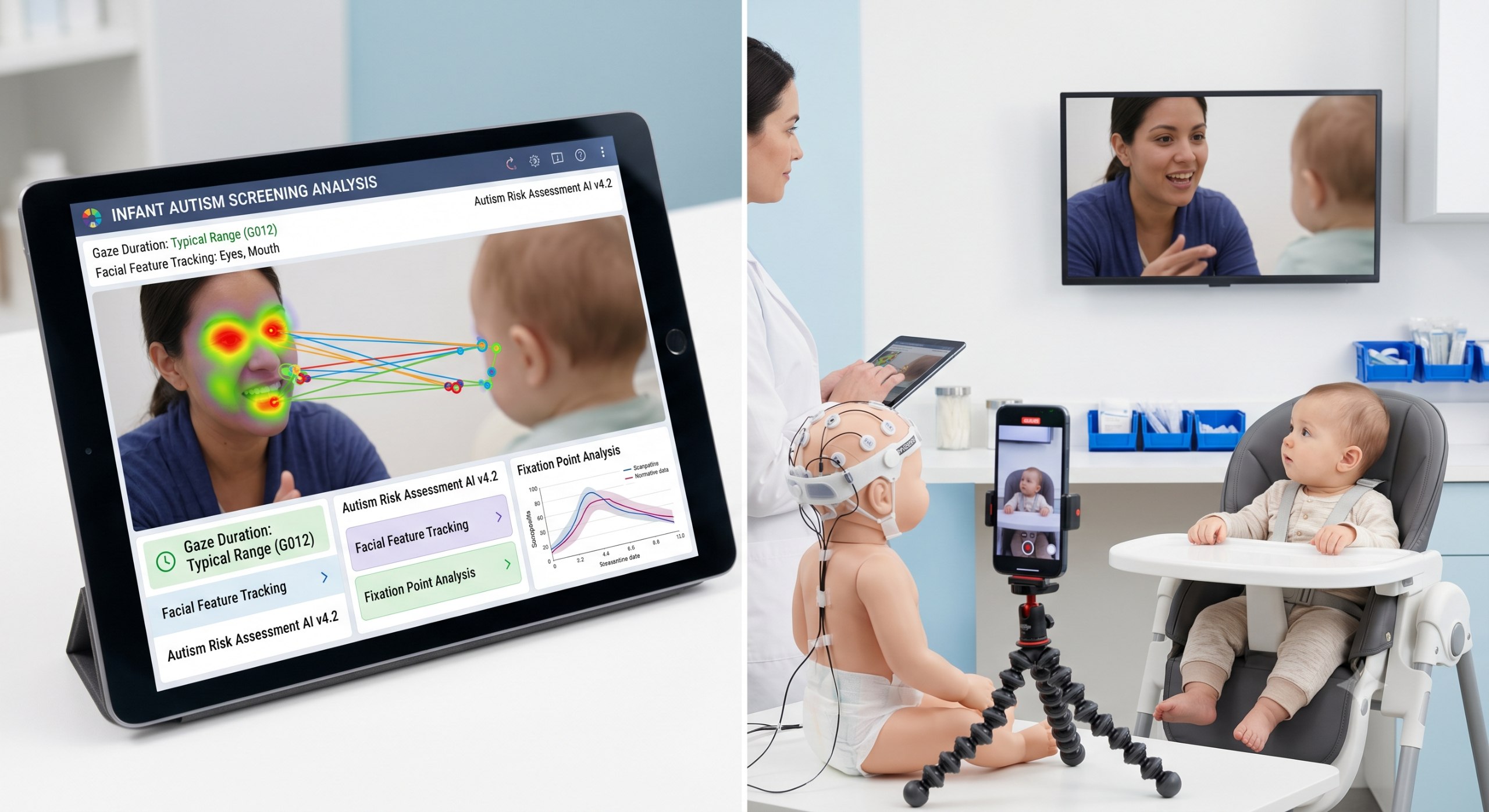
Figure 7: AI-assisted early diagnosis — smart devices analyze eye-tracking and behavioral patterns, shifting diagnosis age from 4 years to 18 months.
AI is redefining the speed and accuracy of ASD diagnosis. Cognoa ASD Diagnosis, the first FDA-authorized AI-assisted autism diagnostic application, uses machine learning to analyze parent questionnaires and video behavior samples, achieving >80% sensitivity and specificity. The Marcus Autism Center's eye-tracking technology can predict later autism diagnosis at 12 months with >90% accuracy. The core contribution of these tools is not replacing clinical diagnosis but shifting average diagnosis age from 4-5 years to 18-24 months — a difference that may be decisive for early intervention outcomes.
7.2 AI-Driven Personalized Intervention
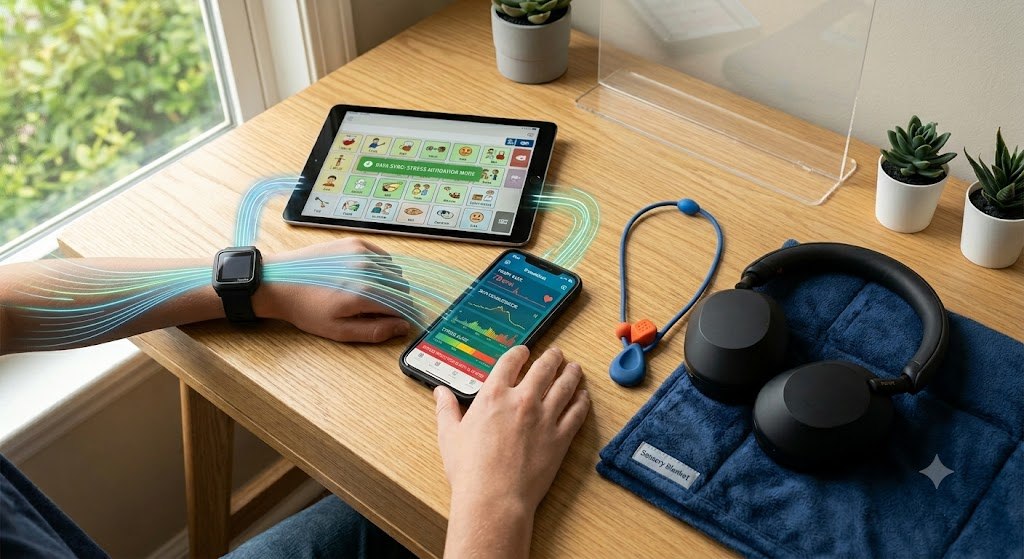
Figure 8: Assistive technology — wearable devices combined with AAC communication apps and sensory toolkit for home monitoring and real-time intervention.
Stanford researchers are developing reinforcement learning algorithms that dynamically adjust intervention strategies based on each child's real-time responses, essentially creating a personalized adaptive treatment system. EndeavorRx, the FDA-authorized prescription digital therapeutic originally for ADHD, is being trialed for ASD.
Wearable devices such as Empatica Embrace use physiological sensors to detect autonomic nervous system activation and can alert parents 10-15 minutes before a potential meltdown — a lead time that may determine intervention success.
A 2024 systematic review found remote ASD intervention effects comparable to in-person delivery for most intervention types, provided parents receive adequate training and technical support.
Chapter 8: Dietary & Biomedical Interventions — Evidence Rating Table
8.1 GFCF Diet
The gluten-free casein-free diet is based on an unproven hypothesis: that autistic children have increased intestinal permeability ("leaky gut") allowing incompletely digested gluten and casein fragments to enter the bloodstream, producing opioid-like effects. A 2024 Iranian meta-analysis reported small positive effects (0.2-0.4) on behavior and GI symptoms for some children, but the Autism Research Institute states "no conclusive research shows a significant connection." Consensus: not recommended as routine treatment. If attempted, must be supervised by a dietitian with strict 6-week elimination and standardized blind assessment. Common risks: protein and calcium deficiency.
8.2 Probiotics & FMT
The gut-brain axis is among the most active ASD research frontiers. 2025 studies published in Frontiers in Microbiology showed washed microbiota transplantation (WMT) effects on core behavioral symptoms, but these were open-label designs lacking double-blind controls. FMT evidence is strongest for GI co-morbidity treatment — GI symptoms are 3-4 times more common in autistic children, and treating them has independent clinical value. Core behavioral symptom improvements require more double-blind RCT verification.
8.3 Vitamin & Supplement Summary
Melatonin: HIGH evidence (sleep). Omega-3: LOW-MODERATE (inconsistent study results — half report modest improvements, half find no significant effect). Vitamin D: LOW-MODERATE (deficiency more common in ASD, but supplementation effects on behavior inconsistent). Methyl B12/folate: effective only when confirmed MTHFR gene mutation present.
Chapter 9: Neuromodulation — TMS, tDCS, Neurofeedback
9.1 TMS Assessment
Transcranial Magnetic Stimulation shows moderate effects on repetitive behaviors (0.4-0.6 effect size) but minimal improvement in social communication. A leading TMS researcher (Mark George, 2025) summarized: "Only a few small studies, inconclusive results." TMS's fundamental problem is enormous study heterogeneity — stimulation site, frequency, treatment duration, and outcome measures vary so widely that meta-analytic conclusions are difficult to generalize. TMS is NOT FDA-approved for ASD; all use is off-label.
9.2 tDCS & Neurofeedback
tDCS showed "promising but inconsistent" effects in a 2025 large-scale systematic review (1,747 studies screened). The proliferation of home-use devices raises safety concerns. Neurofeedback reported "clinically meaningful" effect sizes (0.5-0.7) in a 2024 systematic review (Frontiers in Psychiatry), with increased effects at follow-up — a rare and notable finding. However, low methodological quality limits these conclusions.
None of these techniques meet clinical guideline recommendation thresholds. They remain investigational.
Chapter 10: Practical Country Guides
10.1 Hong Kong — The Waiting Game

Figure 9: Inclusive education — an autistic child interacting naturally with peers in a group activity with support from a teaching assistant.
Hong Kong's ASD system involves three government bodies. Social Welfare Department: pre-school services (EETC, SCCC). Education Bureau: Integrated Education in mainstream schools and special schools. Hospital Authority: diagnosis and medication.
Key challenge: 6-12 month wait for assessment, then another 6-12 months for funded services. A child diagnosed at 2 may not begin intervention until 3.5.
Private costs (2025): ABA HKD 15,000-40,000/month; speech therapy HKD 800-1,500/session.
Strategy: Do not wait. Begin private intervention immediately. Heep Hong Society offers subsidized bilingual services. Some families access Shenzhen ABA at one-third the cost.
10.2 Mainland China — Market Feast, Regulatory Famine
First-tier cities have internationally-trained BCBAs and professional centers. Costs: RMB 8,000-30,000/month. Quality providers: Damihexiaomi, Xingkong Banbu, Enqi.
Risks: Unregulated pseudoscience is rampant — acupuncture, stem cells, hyperbaric oxygen, TCM detox products. Government subsidies through Disabled Persons Federation are minimal (RMB 3,000-24,000/year).
10.3 United States
Unique advantage: 48 states mandate insurance coverage for ABA. IDEA requires free appropriate public education from age 3. Annual ABA costs USD 50,000-100,000 (mostly insurance-covered). Wait times: 6-18 months in some states.
10.4 UK & Europe
NHS provides free diagnosis but 6-12 month waits. ABA not routinely NHS-funded. EHC Plan is the UK parent's most important legal tool. Nordic countries offer free early intervention (ESDM/TEACCH) through public systems.
Chapter 11: Parent Action Roadmap — From Diagnosis Through Adulthood
11.1 The First 24-48 Hours After Diagnosis
Shock, denial, self-blame, and grief are normal. In this critical initial phase: make no major financial decisions — do NOT purchase any "guaranteed cure" product or sign long-term contracts. Begin collecting reliable information from AAP's 100-day kit, WHO's CST materials, and Heep Hong Society's parent resources. Register for public services immediately — time starts counting from day one. Build a support network through parent groups.
11.2 Months 1-3: Start Immediately
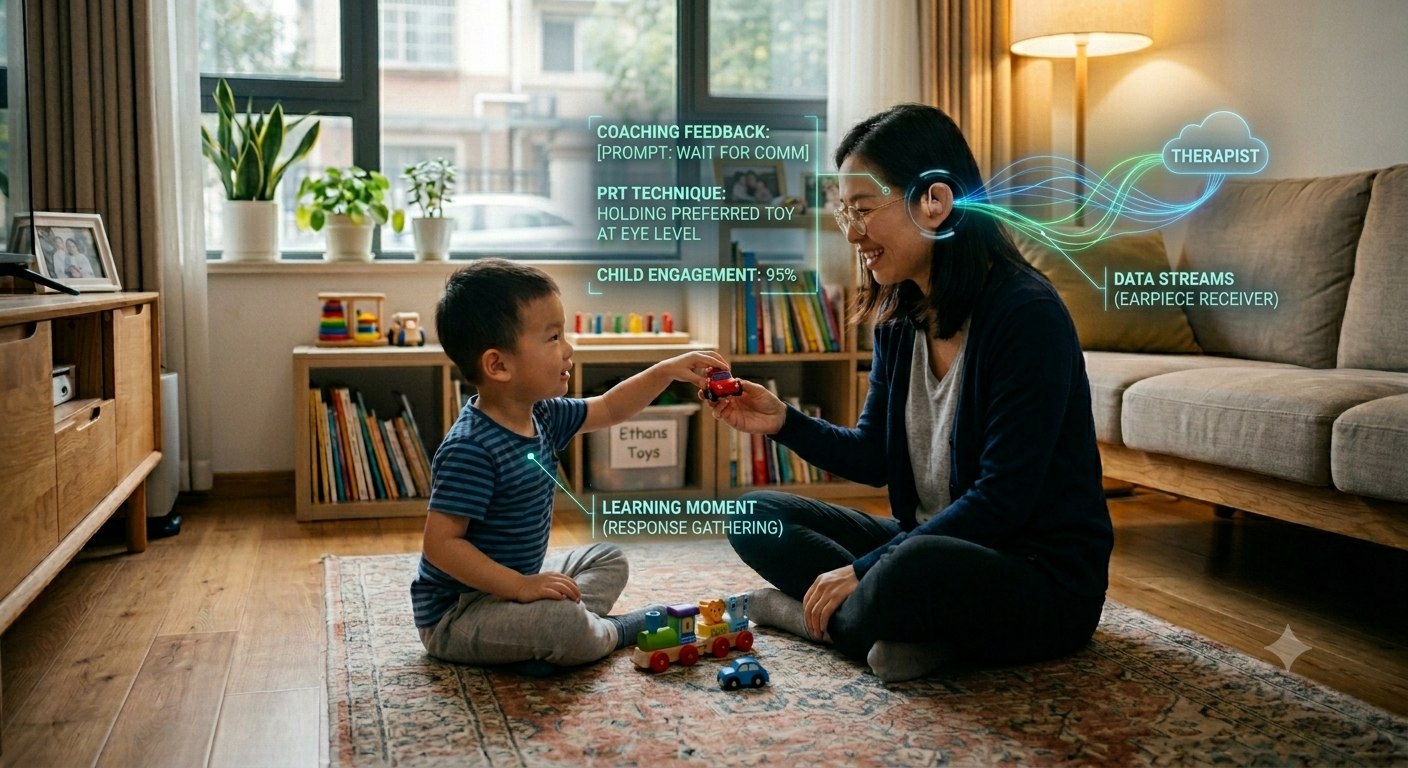
Figure 6: Parent training — parent-child interaction skills — a therapist coaches a parent in real-time interaction techniques during everyday play.
Register for public services AND simultaneously begin private behavioral intervention. If budget allows, hire a BCBA-supervised ABA or ESDM team. If budget is limited, join WHO's Caregiver Skills Training program (free or low-cost, proven effective). Implement at least 30 minutes of structured parent-child interaction daily following ESDM or PRT principles.
11.3 Months 3-12: Monitor Progress
Use standardized tools (VB-MAPP, ABLLS-R, PEP-3) for reassessment every 3-6 months. Track: communication initiation frequency, vocabulary growth, social play stage progression, problem behavior trends, and parent stress levels. If 6 months pass without measurable improvement, adjust the approach — do NOT abandon intervention.
11.4 Years 2-5: Transition to School
Gradually shift from 20-25 hours of professional therapy to school-based support. Ensure IEP goals carry over therapeutic targets. Begin transitioning from behavioral to cognitive approaches (CBT for anxiety and rigidity management).
11.5 Adolescence: Transition Management
Puberty amplifies challenges — hormonal fluctuations, exponentially increasing social complexity, heightened academic demands. PEERS training is most valuable here. Begin adult transition planning: vocational assessment, independent living skills training, adult service衔接.
11.6 Red Flags — What NOT to Do
Do not believe "cure" claims. Do not attempt chelation therapy. Do not abandon effective intervention for the latest "miracle." Do not switch approaches too frequently — consistency is key. Do not let therapy costs bankrupt the family. Do not neglect siblings' needs. And most importantly: do not neglect yourself. A burned-out parent cannot be an effective therapist for anyone.
Chapter 12: Long-Term Outcomes & Real Success Stories — Science, Not Miracles
12.1 Optimal Outcome Is Real
Long-term follow-up studies (Fein et al., 2013; Helles et al., 2017; 2024-2025 updates) confirm that 10-20% of early-diagnosed autistic children who received intensive early intervention no longer meet diagnostic criteria for autism — termed "Optimal Outcome" (OO). These children's IQ, language, and adaptive behavior scores are statistically indistinguishable from typically developing peers. They can be fully integrated into mainstream academic and social environments.
However, even in this group, subtle cognitive differences may persist — executive function, social information processing speed, and theory of mind nuances. Optimal outcome does not mean "no longer autistic" — it means autistic traits have reduced below the diagnostic threshold.
Strongest predictors: diagnosis and intervention before age 5, pre-intervention IQ >70, phrase speech by age 3, >20 hours/week structured intervention, high parent involvement.
12.2 Adult Outcome Reality
Approximately 20-25% of autistic adults are employed or pursuing higher education, living independently, and socially active. 30-40% work or study with support, partially independent. 25-35% require moderate daily support. 10-15% require high-intensity round-the-clock support.
This may not seem optimistic, but it represents extraordinary progress — 50 years ago, the proportion of autistic adults achieving any form of independence was near zero. The single strongest predictor: early childhood language ability, followed by pre-intervention IQ and family support quality.
12.3 Key Principles from the Data
Earlier is better — neuroplasticity peaks before age 6. Dose must reach threshold — 20+ hours/week correlates with optimal outcomes. Parent involvement is irreplaceable — parent training produces effect sizes up to 0.5. Multi-modal beats single modality — combined approaches outperform any single intervention. Consistency is everything — 2+ years of intervention produces 2-3x the effect of short-term programs. Individualization is essential — one child's optimal plan may fail another. Neurodiversity must be respected — the goal is functional improvement and quality of life, not trait elimination.
Conclusion: The Science of Hope
This report will not end with the hollow reassurance that "everything will be fine." The road for parents of autistic children is real, difficult, and sometimes heartbreaking.
But equally real is this: science has given us unprecedented tools to change the trajectory of that road.
Twenty years ago, ABA was a niche and controversial approach. Ten years ago, ESDM was just beginning systematic research. Five years ago, VR was expensive laboratory equipment. Today, AI is redefining diagnostic speed and accuracy, wearable devices can predict meltdowns 15 minutes in advance, and social robots engage children's attention more effectively than any previous technology. And all of this is accelerating.
We know more today than at any point in history. We can do more today than at any point in history. And thirty years from now, our knowledge and capabilities will be multiples of today's.
Three Golden Rules for Parents
Rule One: Start from science. Before adopting any intervention, ask: what is the evidence level? Which authority recommends it? Develop the habit of checking PubMed, Cochrane, or official guidelines rather than social media recommendations.
Rule Two: Start from your child. Your child is first a child, second an autistic child. They have their own personality, interests, strengths, and weaknesses. Let intervention serve their development and happiness — not the other way around. A happy, loved child at any point on the spectrum has more potential than a pressured "treatment project."
Rule Three: Start from yourself. Parent mental health is not selfish — it is a prerequisite for intervention success. Research clearly shows that parent psychological status directly predicts intervention outcomes. Join support groups, maintain your own interests, seek counseling if needed, and accept that good enough parenting is truly good enough.
When you say "I don't know what to do," you are not alone. But now, you have a place to start.
Appendix: Frequently Asked Questions
Q: Can autism be cured? A: ASD is not a "cure" concept — it is a congenital neurodevelopmental difference. The goal of scientific intervention is maximizing function and quality of life, not eliminating ASD itself.
Q: My child is already 6, is it too late to start intervention? A: 2-4 years is ideal, but starting at 6 or even in adolescence is still effective. The difference is in the pattern of effects — early intervention shapes developmental trajectory, later intervention targets skill acquisition and behavior management.
Q: Should I choose ABA or ESDM? A: For children aged 2-4, ESDM is often more suitable (more natural, easier parent implementation). For children over 4 or those needing more structured teaching, traditional ABA may be more effective. The best approach may combine both — ESDM framework with embedded ABA techniques.
Q: How many therapy hours are enough? A: Target 20-25 hours/week. But quality beats quantity — 15 high-quality hours beat 35 rigid hours. For families unable to reach high intensity, consistent good-quality intervention still produces meaningful improvement.
Q: I'm on a public waiting list. Should I wait? A: Absolutely not. Time is the most expensive cost in ASD intervention. Begin private services or parent training immediately while waiting.
Key References
- Dawson, G., et al. (2010). RCT of ESDM. Pediatrics, 125(1), e17-e23.
- Sandbank, M., et al. (2020/2024). Project AIM. BMJ, 383, e076733.
- Green, J., et al. (2017). iBASIS-VIPP parent-mediated intervention. The Lancet Psychiatry.
- Reichow, B., et al. (2018). EIBI Cochrane review.
- Pickles, A., et al. (2016). PACT trial. The Lancet.
- Gates, J.A., et al. (2017). Social skills meta-analysis. Clinical Psychology Review.
- NICE Guideline CG128.
- AAP Council on Children with Disabilities (2020). Pediatrics.
- WHO (2022). Caregiver Skills Training.
- Fein, D., et al. (2013). Optimal outcome. J Child Psychol Psychiatry.
This report is produced by POC.HK Future Technology Observatory. Content is for informational purposes only and does not constitute medical advice. Consult qualified healthcare professionals before making treatment decisions.
Report date: June 2026