Autism Spectrum: A Scientific Map from Causes to Treatment
POC.HK Future Technology Observatory Special Report
Table of Contents
Chapter 1: Epidemiology & Diagnostic Change Chapter 2: Genetics — From Single Gene to Polygenic Maze Chapter 3: Environmental Factors — From Womb to Childhood Chapter 4: The Vaccine Controversy — Lead, Mercury, and Mass Evidence Chapter 5: Neurobiology — Brain Differences and Plasticity Chapter 6: Early Detection — AI, Biomarkers, and Screening Chapter 7: Behavioral Interventions — From ABA to Naturalistic Models Chapter 8: Pharmacological Treatment — From Symptom Management to Mechanism Targeting Chapter 9: Emerging Therapies — Gene Editing, Neuromodulation, and Microbiome Chapter 10: Global Outlook and Future Directions References
Chapter 1: Epidemiology & Diagnostic Change
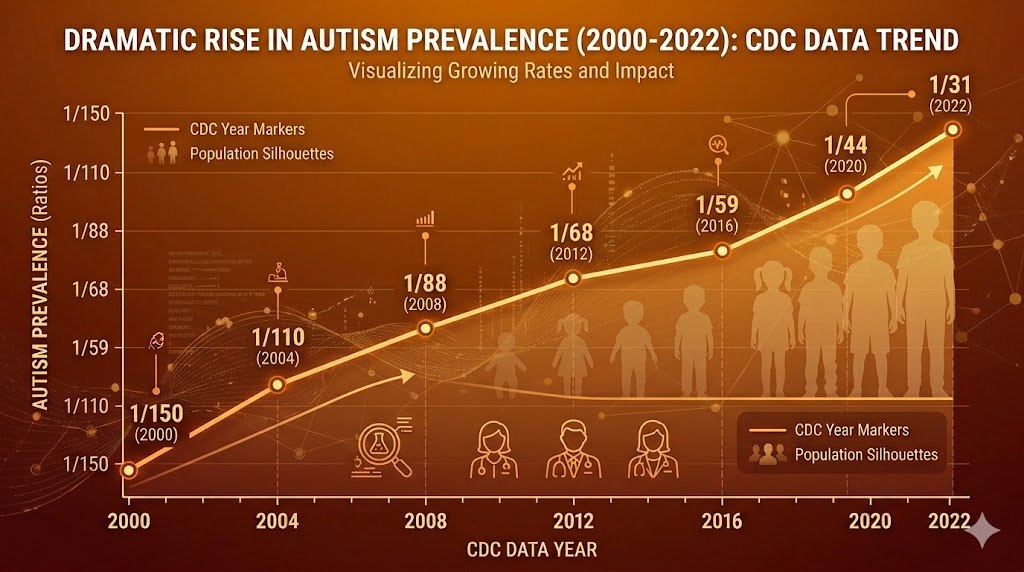
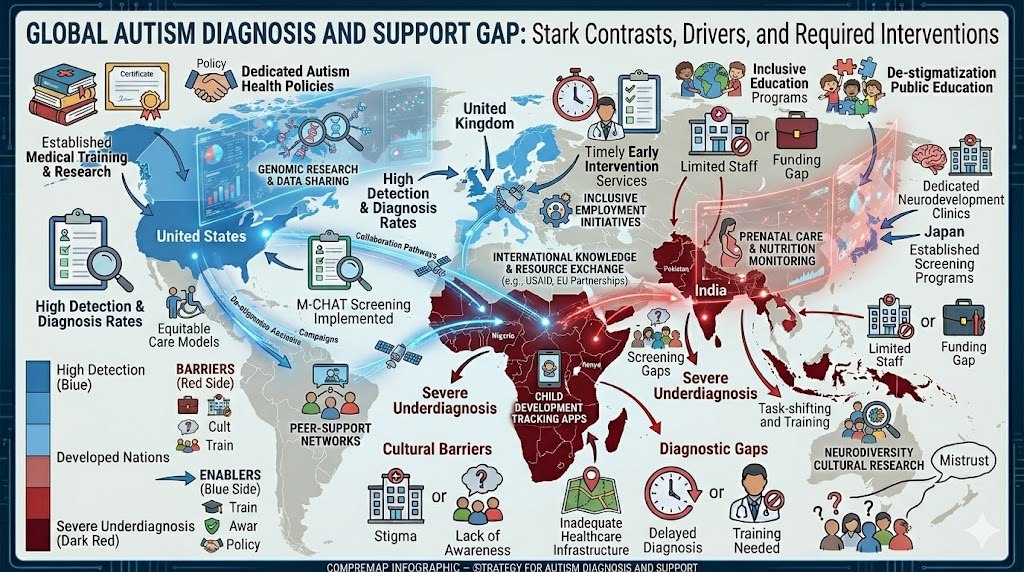
Autism Spectrum Disorder is reshaping global public health at a remarkable pace. In 2000, CDC surveillance data showed 1 in 150 children diagnosed with autism in the United States. By 2022, that figure had risen to 1 in 31 children, approximately 3.2% of the child population — a nearly five-fold increase in two decades. Globally, WHO estimates approximately 1 in 127 children, affecting over 78 million people worldwide. The 2026 GBD study in The Lancet confirmed this sustained global trend, noting that low- and middle-income countries likely have significant underdiagnosis (PMID: 42167272).
The male-to-female ratio remains a central epidemiological finding. Males are diagnosed approximately three times more frequently than females. Cruz et al. (2025) confirmed this ratio while noting potential diagnostic male bias (PMID: 38285291). Maciver et al. (2026) found encouraging trends in identifying autistic girls and women (PMID: 41157911).
Co-occurring conditions are critical to understanding autism's full landscape. Approximately 25-32% have ADHD, 30-40% intellectual disability, 10% epilepsy, 17-23% anxiety, and 9-13% depression. Sleep disorders and gastrointestinal issues are extremely common.
Adult autism has been a long-neglected area. Many adults, particularly women and those with lower support needs, remain undiagnosed. Late diagnosis is increasingly recognized as an important clinical issue (PMID: 42172348, 41933478).

Chapter 2: Genetics — From Single Gene to Polygenic Maze
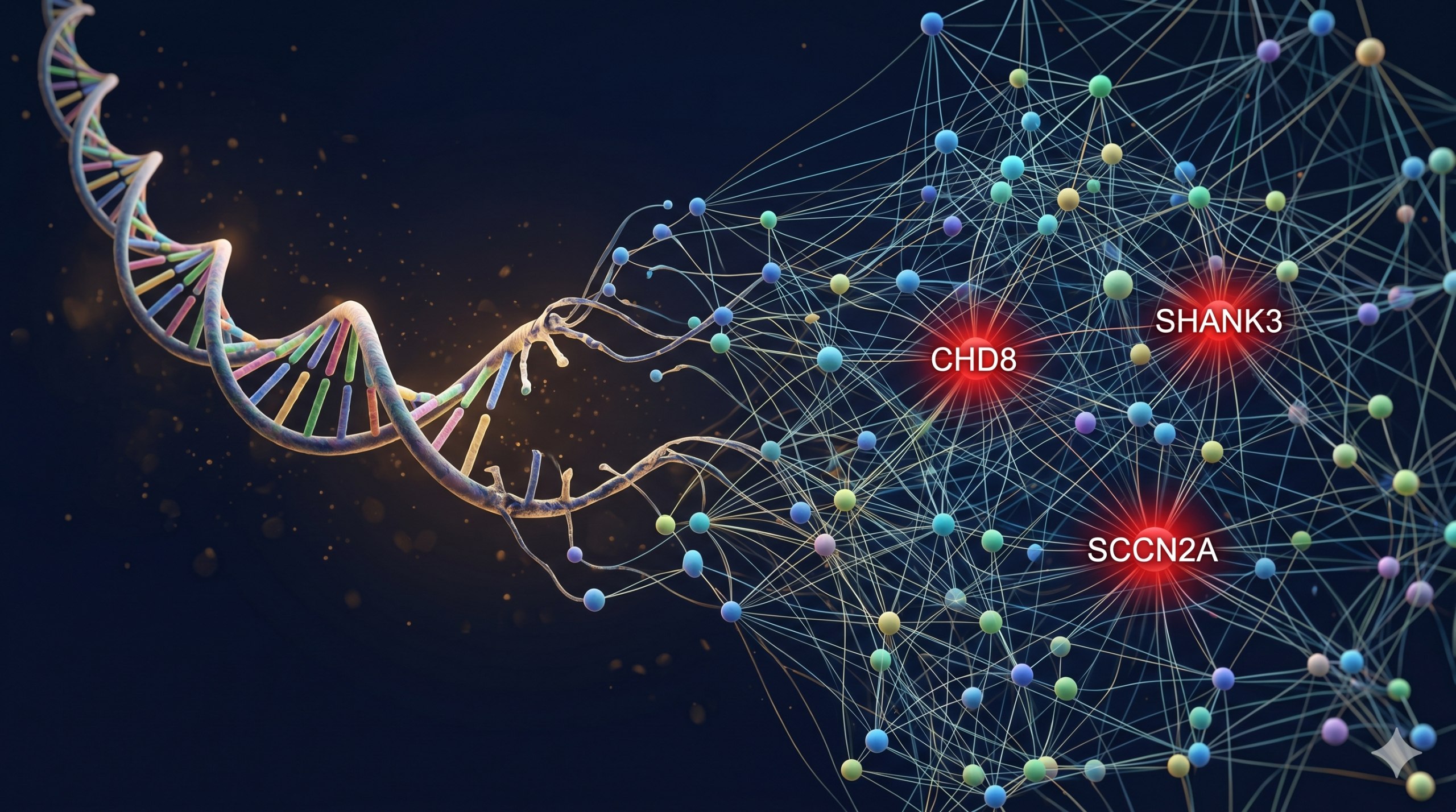
Twin studies consistently estimate heritability at 60-90%. Sibling recurrence risk is 7-20%. Over 100 genes have been associated with autism, with most explaining less than 1% of cases each — a classic complex genetic disorder. CHD8 is the most common de novo mutation (PMID: 42203765). SHANK3 mutations cause Phelan-McDermid syndrome (PMID: 42127910). Other key genes include SCN2A, SYNGAP1, MECP2, PTEN, ADNP, FMR1, and TSC1/TSC2.
Epigenetics reveals how environmental factors alter gene expression without changing DNA sequence (PMID: 41514907, 42041581). Gene-environment interactions are becoming the most active frontier in autism etiology research.

Chapter 3: Environmental Factors — From Womb to Childhood
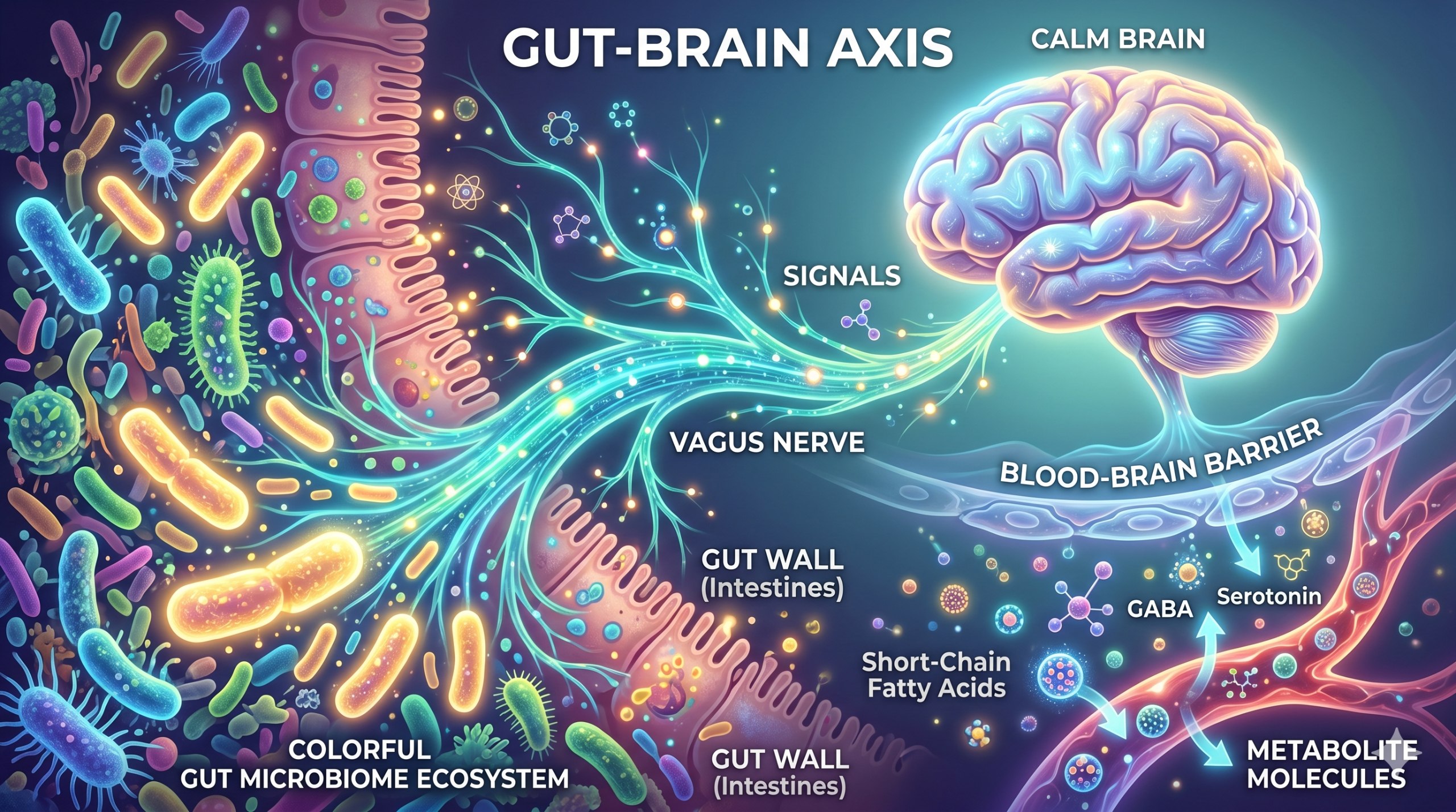
Maternal immune activation (MIA) is an established risk factor. IL-17A blockade can prevent MIA-induced behavioral abnormalities (PMID: 42173410). Air pollution shows accumulating evidence (PMID: 42126059). The gut microbiome is a major research frontier — Limosilactobacillus reuteri ameliorates MIA-induced autism-like behaviors (PMID: 42162800).
Critically, the MMR vaccine-autism link — originating from Andrew Wakefield's fraudulent 1998 study — has been thoroughly debunked. The "refrigerator mother" hypothesis has long been discredited. These historical lessons remind us that simple causal narratives are often the least reliable in neurodevelopmental science.
Chapter 4: The Vaccine Controversy — Lead, Mercury, and Mass Evidence
After comprehensive PubMed searching, no peer-reviewed study has measured lead content in routine childhood vaccines. Lead is used neither as an adjuvant nor preservative in any vaccine. This data gap is itself a significant finding.
Children with autism do show higher lead levels in biological samples — a confirmed finding across multiple meta-analyses (PMID: 37755763, 35499802). However, this reflects total body burden from environmental sources (paint, water, soil, food), NOT vaccines. Reverse causation is possible — autistic children may have greater environmental lead exposure due to behavioral factors like pica.
The thimerosal story represents science at its strongest. After thimerosal was removed from US childhood vaccines in 2001, autism prevalence increased more than four-fold. Denmark, which removed thimerosal in 1992, saw the same pattern (PMID: 12949291). Multiple large cohort studies (PMID: 14519711, 17898097, 20837594) found no association. The Wakefield fraud caused MMR rates to drop from 92% to 84% in the UK, triggering preventable measles outbreaks and deaths (PMID: 22748860).

Chapter 5: Neurobiology — Brain Differences and Plasticity
Approximately 15-20% of autistic individuals exhibit macrocephaly — early brain overgrowth that normalizes by mid-childhood.
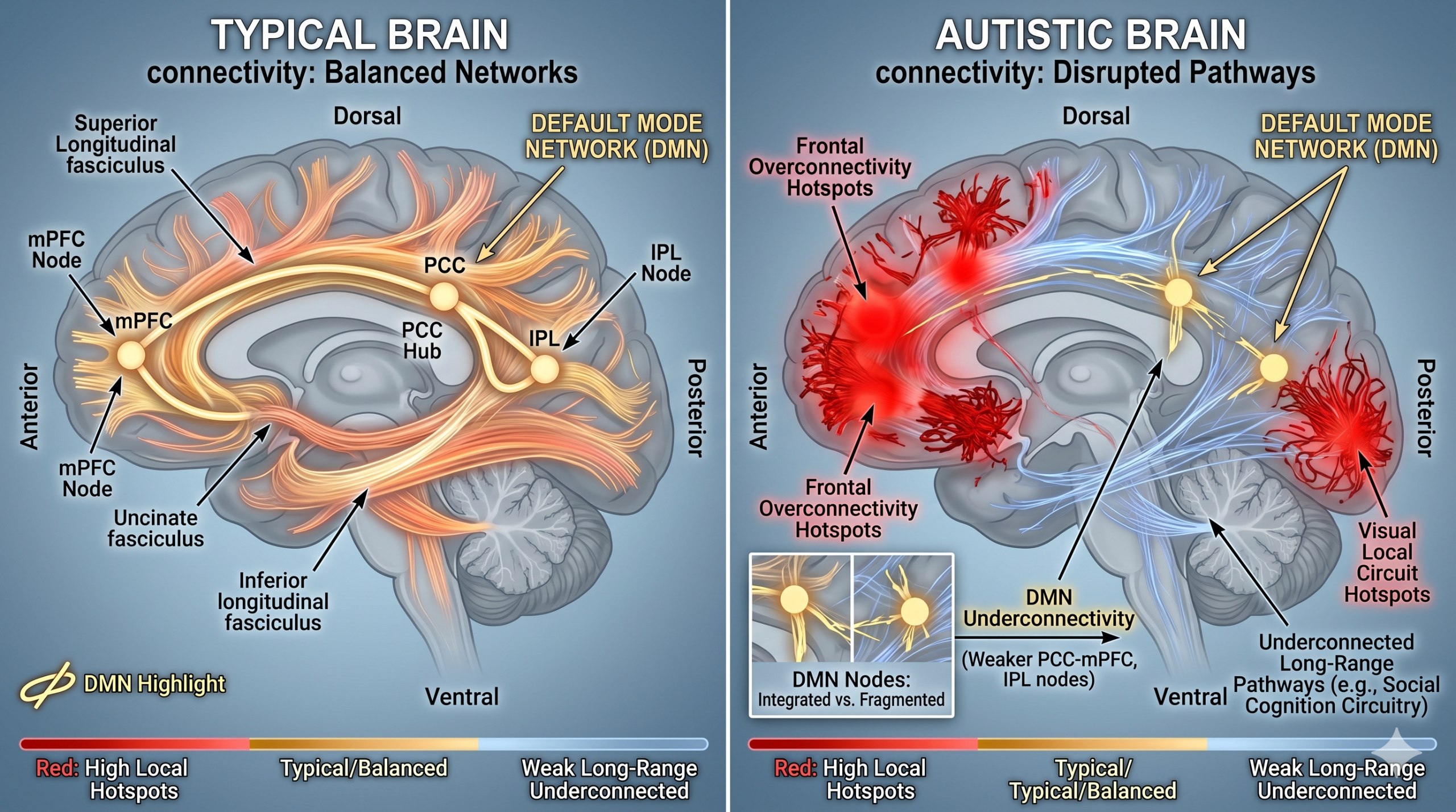
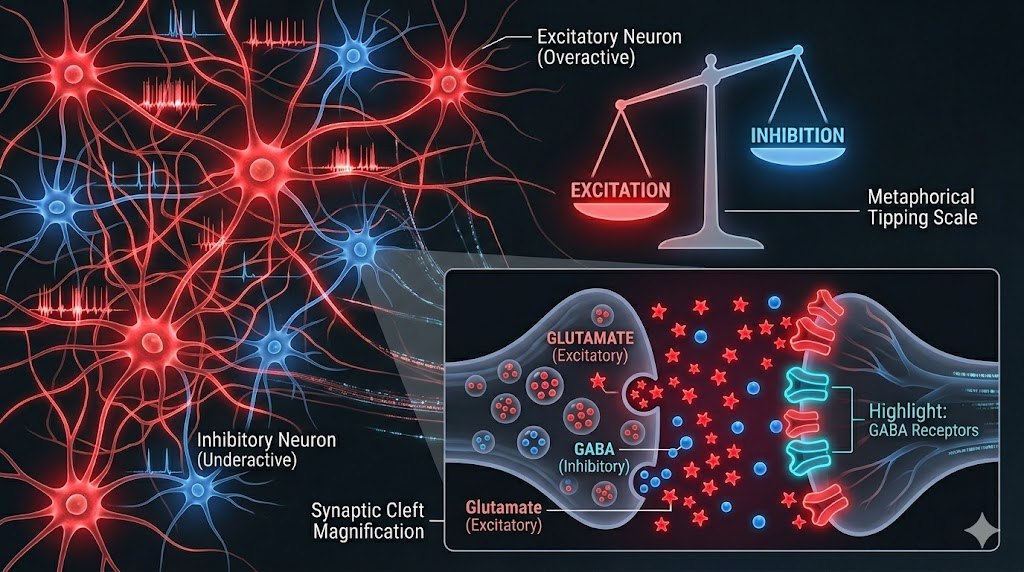
The excitatory/inhibitory (E/I) balance hypothesis is the leading neurobiological framework (PMID: 41523331). GABA-related gene expression is reduced while glutamate signaling is altered.
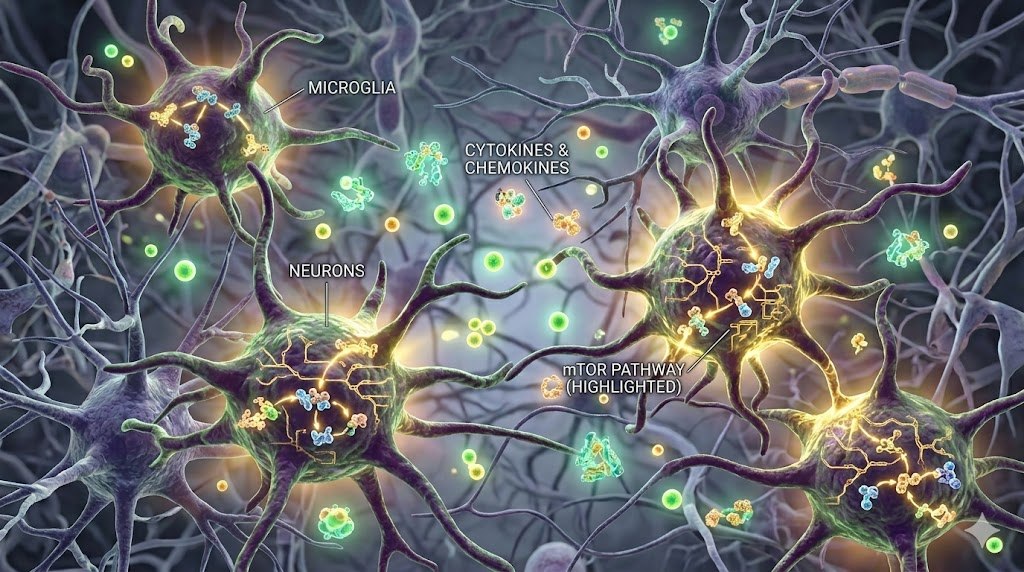
Approximately 30% of autistic individuals have elevated blood serotonin. Oxytocin research has moved from simple "deficiency" narratives toward precision medicine frameworks (PMID: 42144048). Neuroinflammation is an exciting frontier, with increased astrocytes and microglia found in post-mortem brain tissue.
Chapter 6: Early Detection — AI, Biomarkers, and Screening
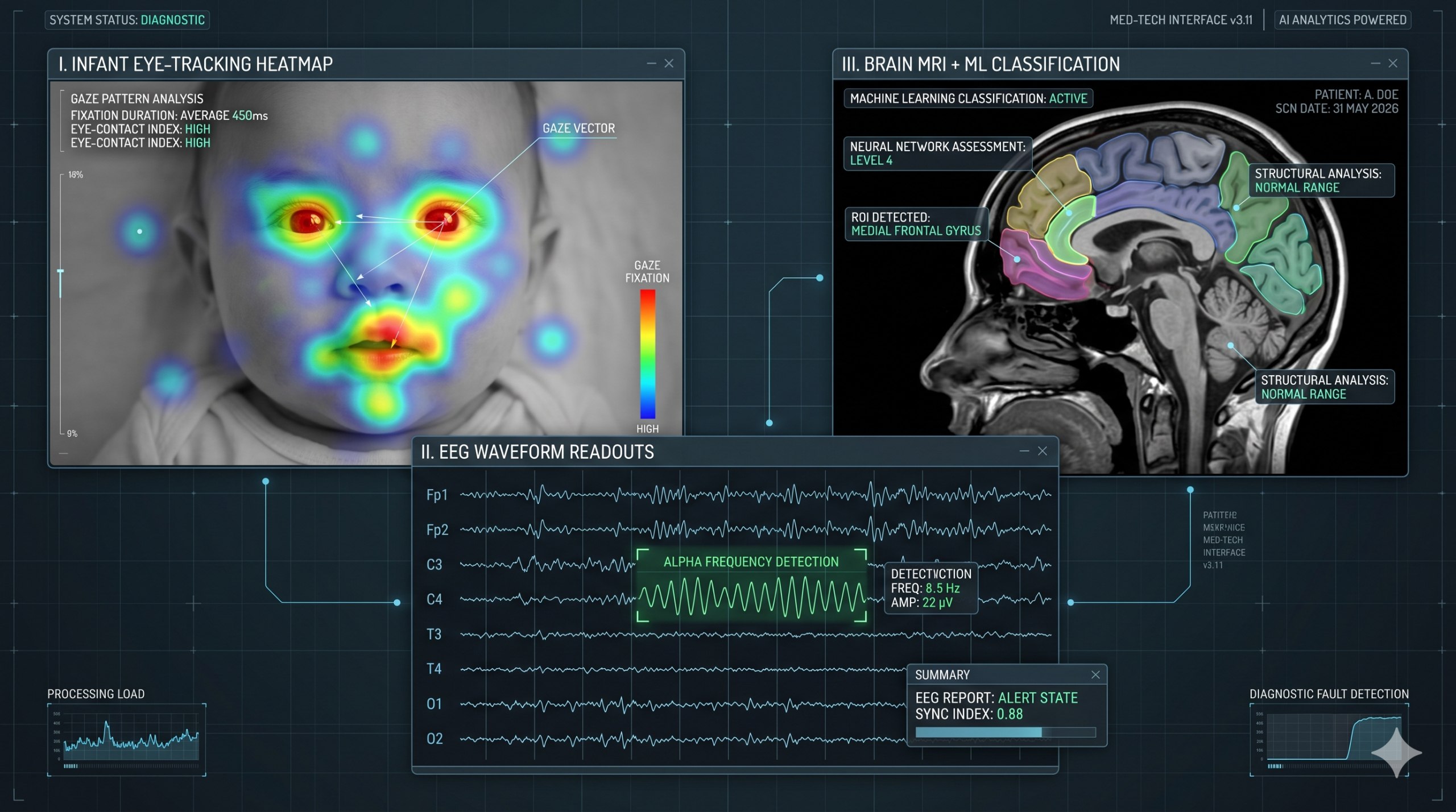
AI is transforming autism diagnosis. Machine learning from MRI data (PMID: 42215668), hybrid EEG frameworks (PMID: 42202207), and AI-based measures of interpersonal coordination (PMID: 42216006) are pushing diagnostic age from 3-4 years toward 12-18 months. Eye-tracking technology, acoustic feature analysis, and fetal MRI biomarkers are expanding the detection window.
Chapter 7: Behavioral Interventions — From ABA to Naturalistic Models
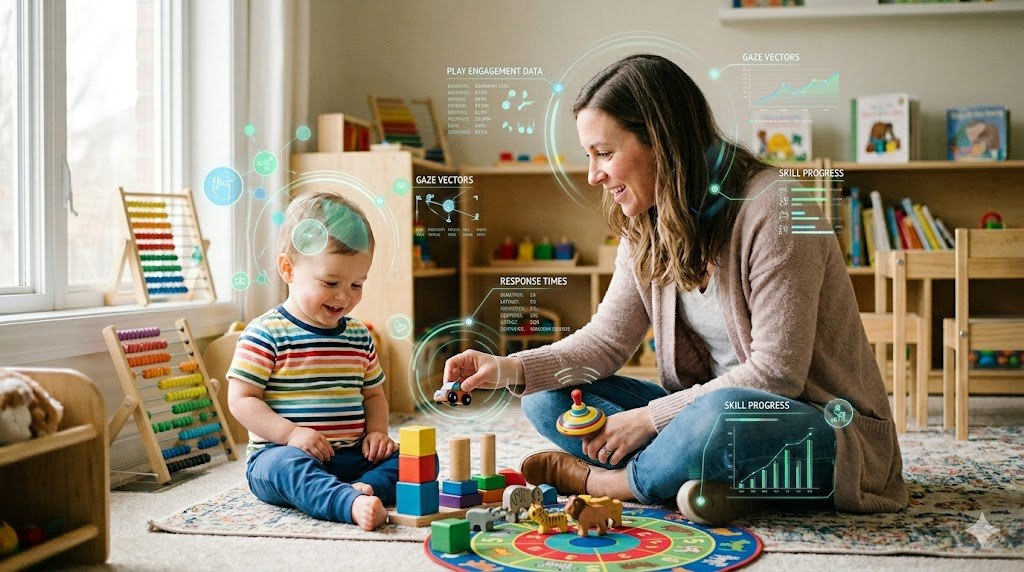
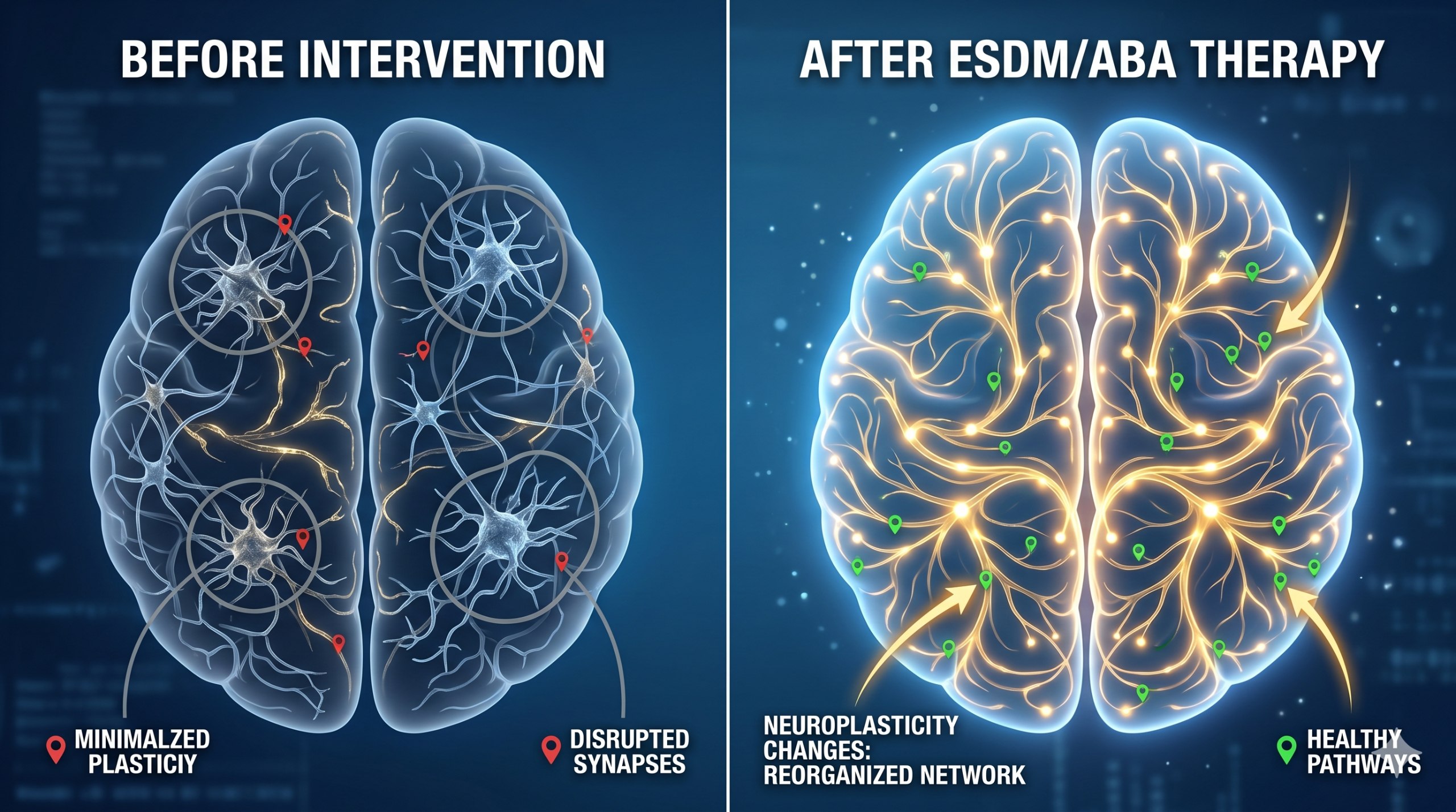
Applied Behavior Analysis remains the most evidence-based intervention, though it faces ethical criticism. The Early Start Denver Model (ESDM) represents the mainstream direction of Naturalistic Developmental Behavioral Interventions (PMID: 42210093, 42112112). Pivotal Response Treatment improves quality of life (PMID: 41779339). Telehealth-delivered interventions have proven feasible (PMID: 41533270).
Chapter 8: Pharmacological Treatment — From Symptom Management to Mechanism Targeting
Only two FDA-approved medications target autism-related irritability and aggression (risperidone, aripiprazole) — both with significant side effects.

Emerging targets include oxytocin (precision framework, PMID: 42144048), bumetanide (E/I balance, PMID: 42161225), and CBD (Phase 2 trial, PMID: 42204954).
Chapter 9: Emerging Therapies — Gene Editing, Neuromodulation, and Microbiome
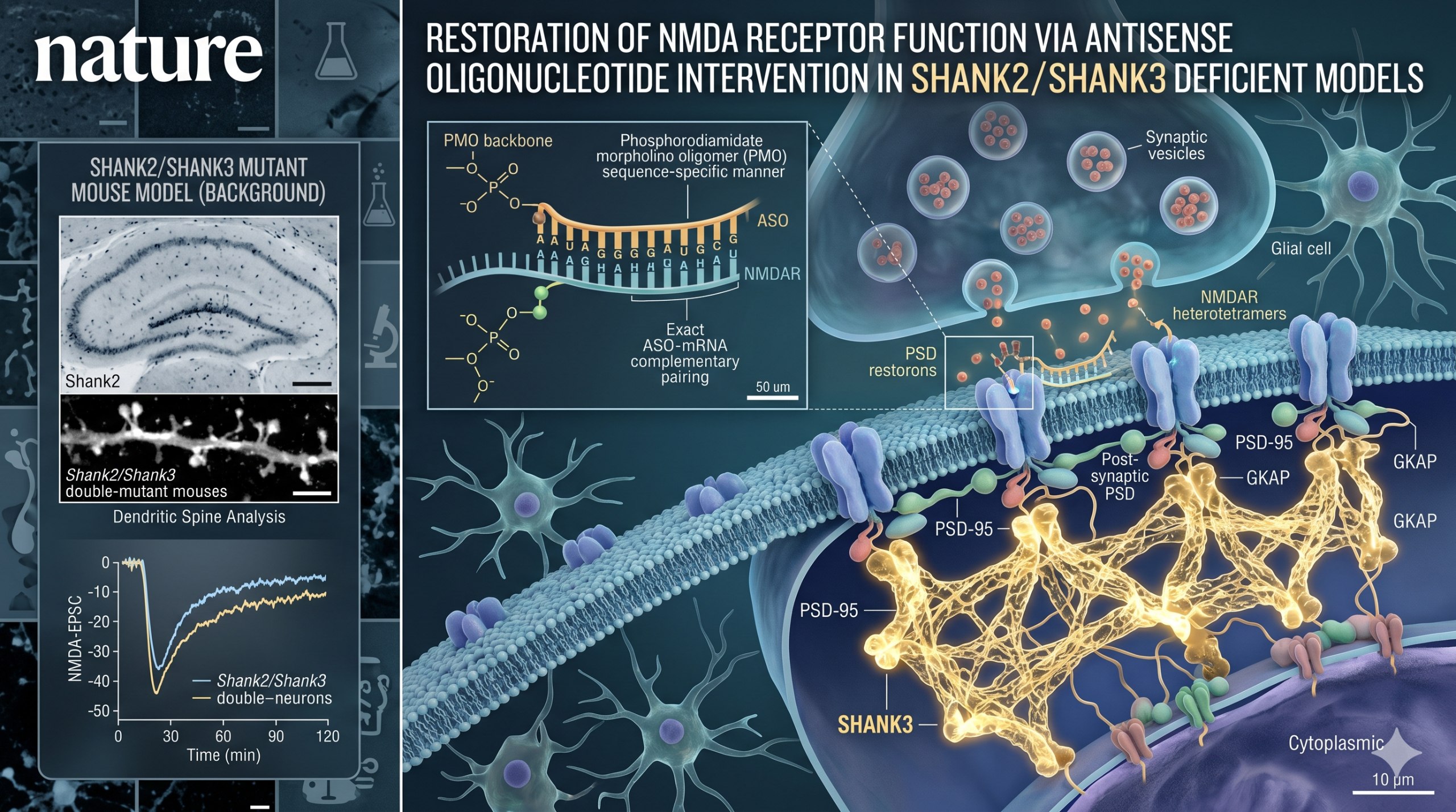
Antisense oligonucleotides restore NMDA receptor function in SHANK2/3 mutant models (PMID: 42215483). The first SHANK3 mutant macaque model has been created via CRISPR (PMID: 42127910). rTMS modulates brain networks (PMID: 42105161) and tDCS shows promise for behavioral symptoms (PMID: 42092376). Virtual Reality is emerging as a treatment platform for social skills training (PMID: 41810603, 41691266).

Chapter 10: Global Outlook and Future Directions
Five key trends are converging: biological subtyping will replace behavioral classification; precision medicine is moving from slogan to practice; AI will reshape diagnosis and intervention; the gut-brain axis represents the biggest variable of the next five years; and autism discourse is shifting from a disease model to a neurodiversity model.
The ultimate contribution of autism research may extend far beyond autism itself — from polygenic risk scores to gut-brain axis analysis, these methods are providing new frameworks for understanding all human brain development and function.


References
Full reference list at poc.hk/autism-deepdive-50k (Chinese primary version). Key PMIDs: 42167272, 38285291, 42203765, 42127910, 42173410, 42126059, 41523331, 42144048, 42216006, 42215483, 42105161, 30831578, 14519711, 12949291, 37755763, 22748860.
Disclaimer: This article is an original analysis by POC.HK Future Technology Observatory. It is for reference only and does not constitute medical advice. Autism diagnosis and treatment should be conducted under professional medical guidance.