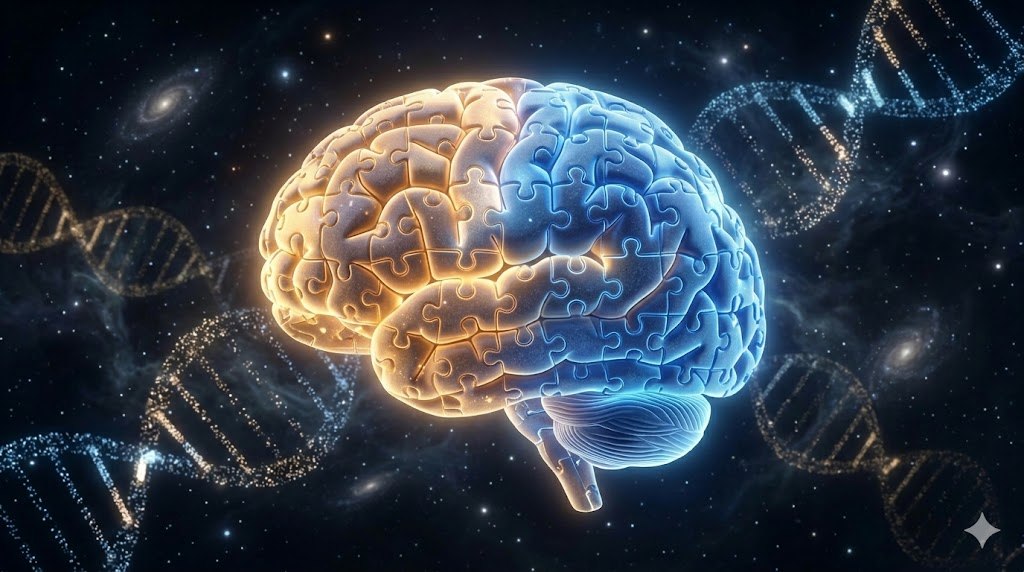
Autism Spectrum Disorder (ASD) is rewriting our understanding of human neurodiversity. From 1 in 150 children diagnosed in the United States in 2000 to 1 in 31 by 2022, this dramatic rise reflects not only increased diagnostic awareness but a revolution in scientific understanding. Globally, the World Health Organization estimates approximately 1 in 127 children, affecting over 78 million people worldwide.
Yet autism remains one of the most complex puzzles in medical science. It is not a single disorder but a spectrum encompassing an extraordinarily wide range of presentations — from profound disability requiring round-the-clock support to highly independent individuals. This heterogeneity makes the question "what causes autism" inherently misleading: we may be facing not one problem but hundreds of interconnected ones. Over the past five years, breakthroughs in genomics, neuroimaging, and computational neuroscience have been dismantling this network at an unprecedented pace. From CRISPR-edited monkey models to cohort studies involving tens of thousands of participants, from the gut microbiome to AI-assisted early diagnosis — autism research is undergoing a genuine paradigm shift.
This article systematically surveys the latest scientific landscape of autism causes and treatments, revealing a deep transformation from "symptom management" to "mechanistic understanding."
Before we can understand autism, we must confront a fundamental epidemiological fact. Autism prevalence has risen dramatically over the past two decades. In 2026, the Global Burden of Disease (GBD 2023 Collaborators) published a systematic analysis in The Lancet covering 204 countries and territories, confirming this sustained upward trend.
CDC data provides the most complete picture. In 2000, US autism prevalence was 1 in 150 children (0.67%); by 2010 it reached 1 in 68 (1.47%); by 2016 it was 1 in 54 (1.85%); and the latest 2022 data shows 1 in 31 (approximately 3.2%). This rate of increase far exceeds what can be explained by diagnostic criteria changes alone.
Expert consensus attributes this rise to multiple converging factors. The 1994 DSM-IV expanded autism's diagnostic boundaries, incorporating Asperger syndrome into the spectrum. The 2013 DSM-5 further unified the classification under Autism Spectrum Disorder, eliminating sub-type boundaries. Meanwhile, increased public awareness, expanded early screening, improved service accessibility, and more refined diagnostic pathways in schools and healthcare systems have all contributed to greater case identification. However, epidemiologists acknowledge that a true increase in prevalence — reflecting environmental contributions — cannot be entirely ruled out.
The gender ratio remains a closely watched phenomenon. Males are diagnosed approximately three times more frequently than females. Cruz et al. (2025) published a systematic review and meta-analysis in Neuropsychology Review confirming this ratio while noting potential male bias in diagnosis. Maciver et al. (2026) in Autism reported encouraging evidence that we are becoming progressively better at identifying neurodivergent girls and women. Autistic females tend to display fewer atypical behaviors, potentially leading to underdiagnosis or delayed diagnosis — a phenomenon termed the "female protective effect" hypothesis. Comorbid conditions are equally significant. Approximately 25-32% of autistic individuals have co-occurring ADHD; 30-40% have intellectual disability; approximately 10% have epilepsy. Anxiety disorders (17-23%) and depression (9-13%) are substantially elevated compared to the general population. Sleep disorders and gastrointestinal issues are extremely common. Pereira et al. (2026) in Autism reported that transgender and gender-diverse autistic adolescents face elevated depression risk.
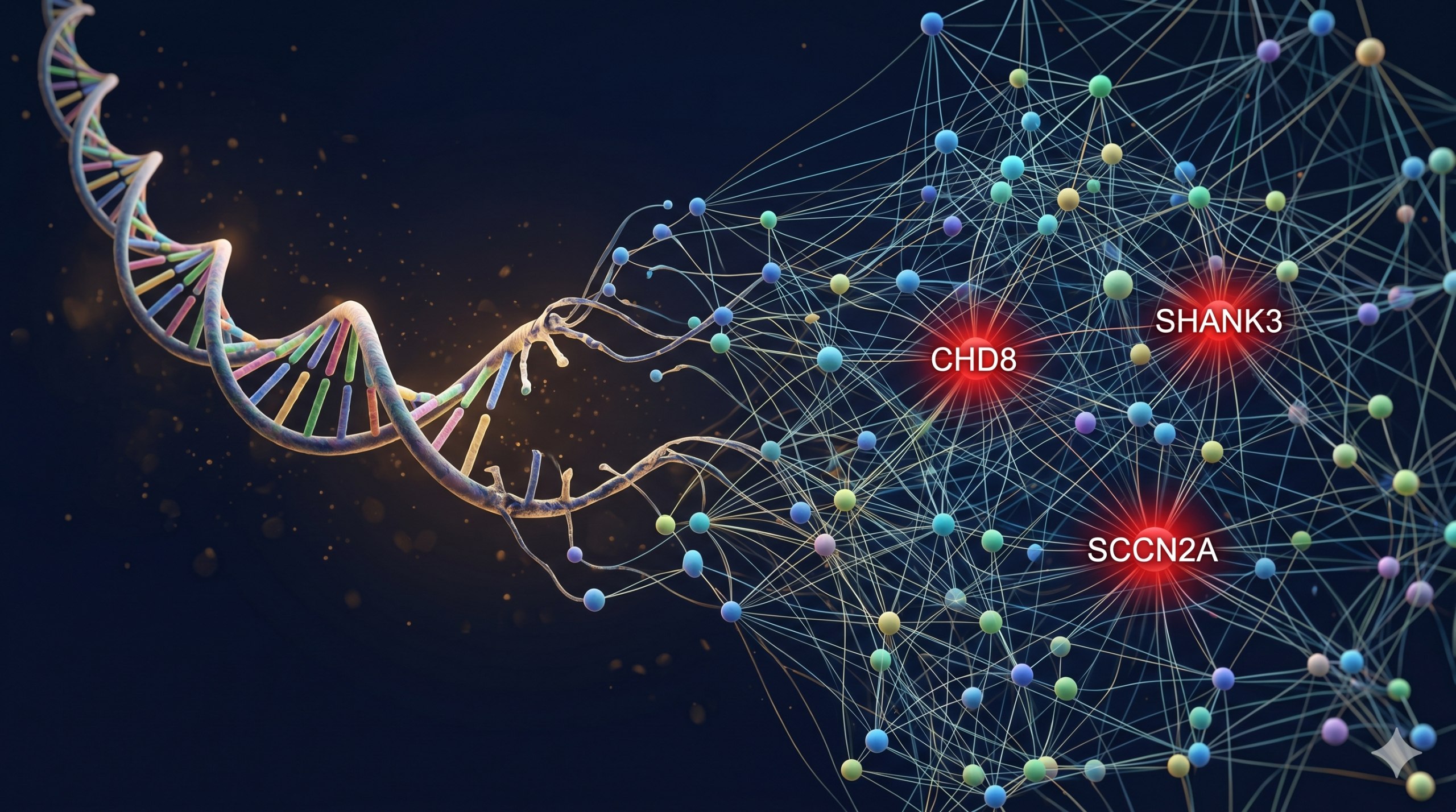
If autism research has one central conclusion, it is that genetic factors dominate risk. Twin studies consistently estimate heritability at 60-90%. If a family already has one autistic child, recurrence risk for a second child is 7-20% — far exceeding baseline population risk. However, "genetic" emphatically does not mean "single gene." Over one hundred genes have been associated with autism, yet the vast majority explain less than 1% of cases each. This is a classic complex genetic disorder — hundreds of genes each contributing tiny effects, with cumulative risk determined by polygenic risk scores.
Among the known genes, several deserve special attention. CHD8 is the most common de novo mutation gene in autism. Nitahara et al. (2026) in Nature Communications demonstrated that midfetal Chd8 mutation causes defective ventral neurogenesis driving autistic-like behavior in mice. SHANK3 encodes a postsynaptic scaffolding protein; its mutations cause Phelan-McDermid syndrome. In 2026, Jiang et al. in Neuron published a landmark study: using CRISPR to create the first SHANK3 mutant macaque model, demonstrating behavioral phenotypes and neuronal biomarkers. SCN2A encodes the Nav1.2 sodium channel; loss-of-function mutations are associated with both autism and epilepsy. SYNGAP1 encodes a synaptic Ras GTPase-activating protein, and precision therapeutics for related disorders are becoming a major focus for gene therapy. Approximately 30-40% of autism cases involve de novo mutations — newly occurring mutations in gamete formation or early embryonic development, not inherited from parents. These are more common in autistic individuals with intellectual disability. Mutation rates increase with paternal age, providing a biological explanation for the epidemiological link between older fathers and autism risk.
Beyond single-gene variants, copy number variations (CNVs) play an important role. 16p11.2 deletion or duplication is among the most common CNVs, while 22q11.2 deletion (DiGeorge syndrome) is strongly associated with elevated autism risk. Syndromic autism accounts for approximately 25% of all cases, including Fragile X syndrome, Tuberous Sclerosis, Rett syndrome, and Angelman syndrome. Notably, genetics is not static destiny. Epigenetics reveals how environmental factors alter gene expression without changing DNA sequence. Han et al. (2025) in Biology reviewed the convergence of early-life stress and autism on HPA axis epigenetics. Ebenezer et al. (2026) in Cells reported that maternal inflammation alters nuclear and mitochondrial DNA methylation patterns in neonatal brain monocytes. These findings are building causal bridges between genetics and environment.
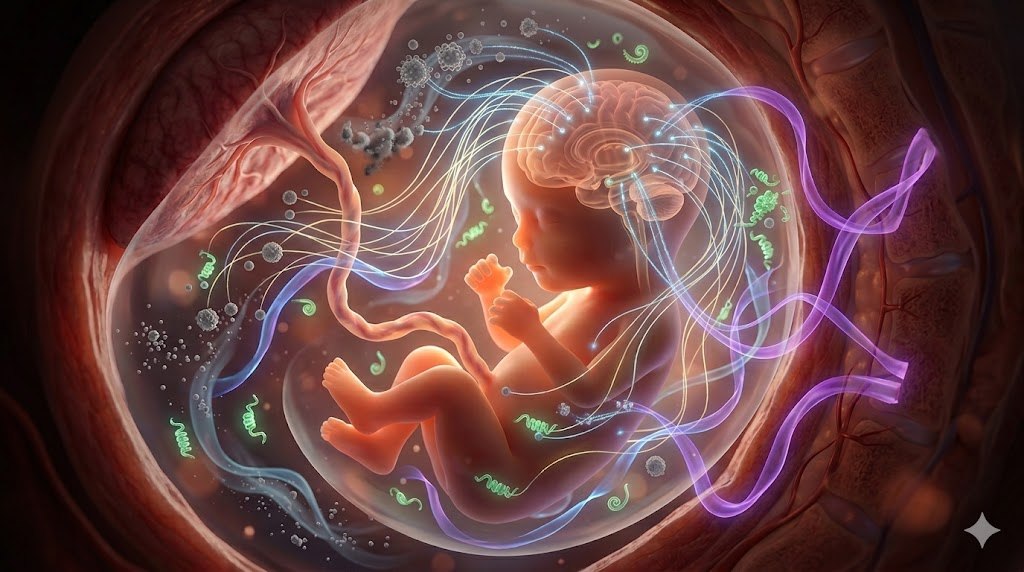
Although genetics dominates risk, environmental factors are equally important — particularly against specific genetic susceptibility backgrounds. Prenatal factors are the most intensively studied area. Maternal rubella infection during pregnancy is a confirmed risk factor. More broadly, maternal immune activation (MIA) is an established risk factor. Spagnuolo et al. (2026) in Brain, Behavior, and Immunity reported exciting findings: early IL-17A blockade can prevent MIA-induced behavioral abnormalities and hippocampal synaptic changes. Gargus et al. (2026) in Frontiers in Neuroscience explored vagus nerve stimulation as an anti-inflammatory therapy to reverse MIA-induced microglial alterations in offspring — demonstrating a potential pathway from mechanistic understanding to intervention. Medication exposure during pregnancy is also closely studied. Valproate is an established teratogen significantly increasing autism risk. Acetaminophen (paracetamol) remains controversial. Cramer et al. (2025) in Obstetrics & Gynecology and Balkanas et al. (2026) in the Journal of Autism and Developmental Disorders have explored this association, though causality remains unconfirmed. Folic acid supplementation presents a more complex picture: Vasconcelos et al. (2025) and Abate et al. (2025) found that both deficiency and excess may be associated with risk — a U-shaped dose-response curve with important implications for public health guidance.
Air pollution is another area with accumulating evidence. Kang et al. (2026) used newborn metabolomics to trace the molecular connections between prenatal air pollution exposure and autism risk. Ayoub et al. (2026) in the Journal of Child Psychology and Psychiatry published a nationwide population-based cohort study establishing the association between prenatal ambient air pollution and neurodevelopmental disorder risk. These studies, with sample sizes ranging from tens of thousands to hundreds of thousands, provide a solid epidemiological foundation for public health policy.
The gut microbiome has emerged as a major research frontier. Gut-brain axis abnormalities may contribute to autism. Zhong et al. (2026) in Brain, Behavior, and Immunity found that Limosilactobacillus reuteri ameliorates MIA-induced autism-like behaviors by reprogramming lipid metabolism. Wu et al. (2026) used integrated multi-matrix metabolomics to reveal gut microbiota-driven systemic metabolic alterations. These findings are redefining autism from a purely "brain disorder" to a systemic condition involving the immune system, gastrointestinal tract, and metabolic pathways.
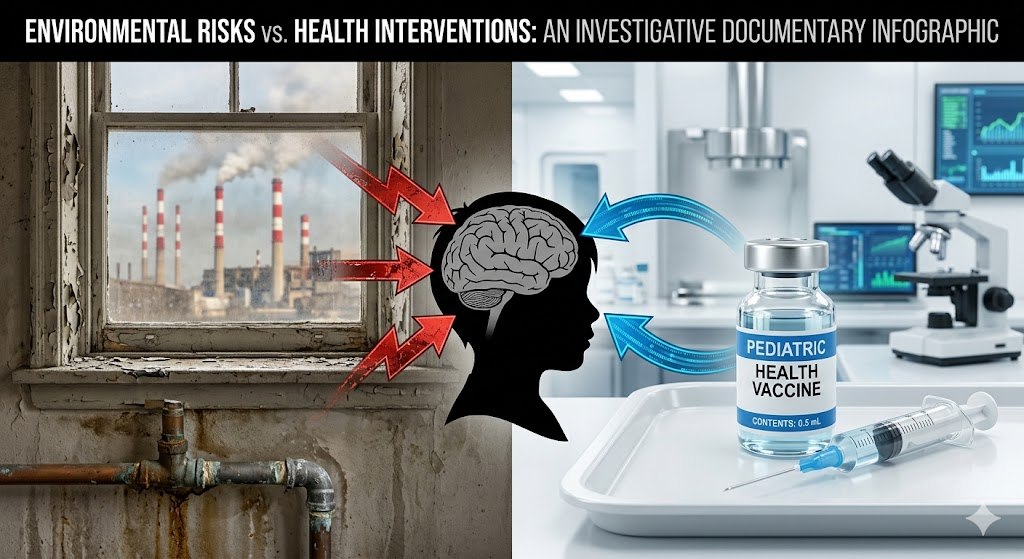
Equally important in the history of science is the correction of erroneous theories. The MMR vaccine-autism link — originating from Andrew Wakefield's fraudulent 1998 study — has been thoroughly debunked and retracted. Thimerosal (a vaccine preservative) was removed from vaccines yet autism rates continued to rise. The "refrigerator mother" hypothesis — that cold parenting causes autism — has long been discredited. These historical lessons remind us that in neurodevelopmental science, simple causal narratives are often the least reliable.

The brain in autism is neither "damaged" nor "abnormal" — it is an organ that has taken a different developmental trajectory. Neurobiological research is progressively revealing the specific features of this alternative path. Approximately 15-20% of autistic individuals exhibit macrocephaly. Studies show early brain overgrowth — frontal and temporal lobes enlarged while parietal and occipital lobes remain normal; cerebellar vermis, corpus callosum, and basal ganglia relatively smaller. By mid-childhood, overall brain volume normalizes, but regional structural differences persist. Limbic system cells are smaller but more densely packed, potentially explaining the neural basis of social impairment. Cerebellar Purkinje neurons are reduced in both number and size, and the cerebellum's role in emotion and language processing is being fundamentally re-evaluated.
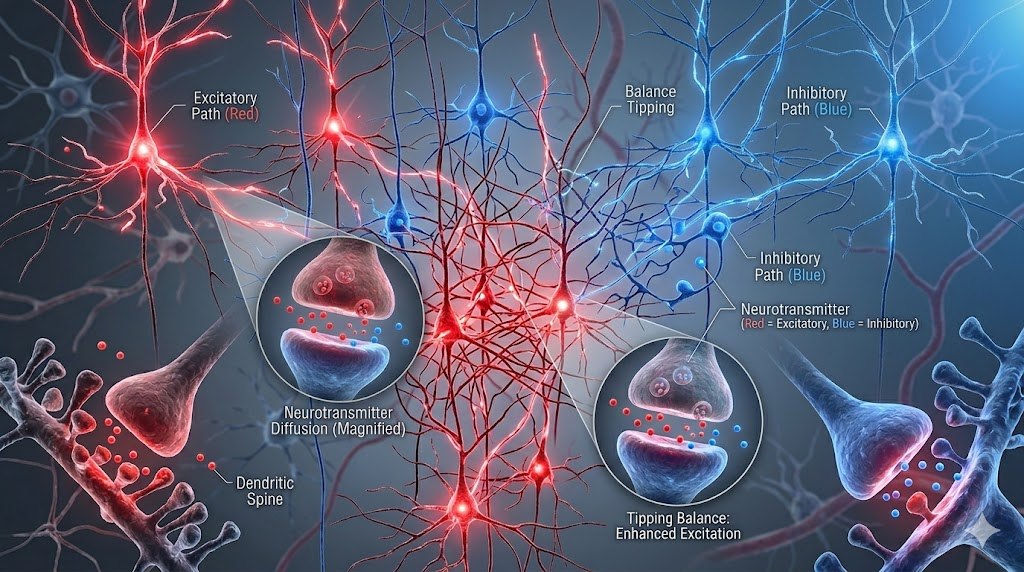
The excitatory/inhibitory (E/I) balance hypothesis is the leading neurobiological framework for autism. Madia et al. (2025) in AIMS Neuroscience published a comprehensive review integrating genetic, neurotransmitter, and computational perspectives. In the autistic brain, GABA-related gene expression is reduced while glutamate signaling is altered. Reduced GABAergic inhibition combined with altered glutamatergic excitation creates hyperexcitable neural networks that disrupt normal information processing. E/I imbalance correction — via drugs like bumetanide that block the NKCC1 ion channel — has become a major therapeutic focus.
Neurotransmitter system imbalances extend to other key molecules. Approximately 30% of autistic individuals exhibit elevated blood serotonin levels (hyperserotonemia), a decades-old finding that remains mechanistically mysterious. Dopamine systems are altered in certain autism subtypes. And oxytocin — the neuropeptide intimately linked to social bonding — has moved beyond simple "oxytocin deficiency" narratives toward more precise understanding. Boulton et al. (2026) in Neuroscience & Biobehavioral Reviews proposed a precision medicine framework integrating animal studies, biomarkers, genetics, epigenetics, and neuroimaging to explain why oxytocin clinical trial results have been inconsistent.
Neuroinflammation represents another exciting frontier. Post-mortem autistic brain tissue shows increased astrocytes and microglia. Higher expression of glial and immune cell-related genes suggests that immune-nervous system interactions play a more important role in autism pathogenesis than previously recognized. The mTOR signaling pathway — a key hub regulating cell growth and survival — is also linked to autism through genes like PTEN and TSC1/TSC2.
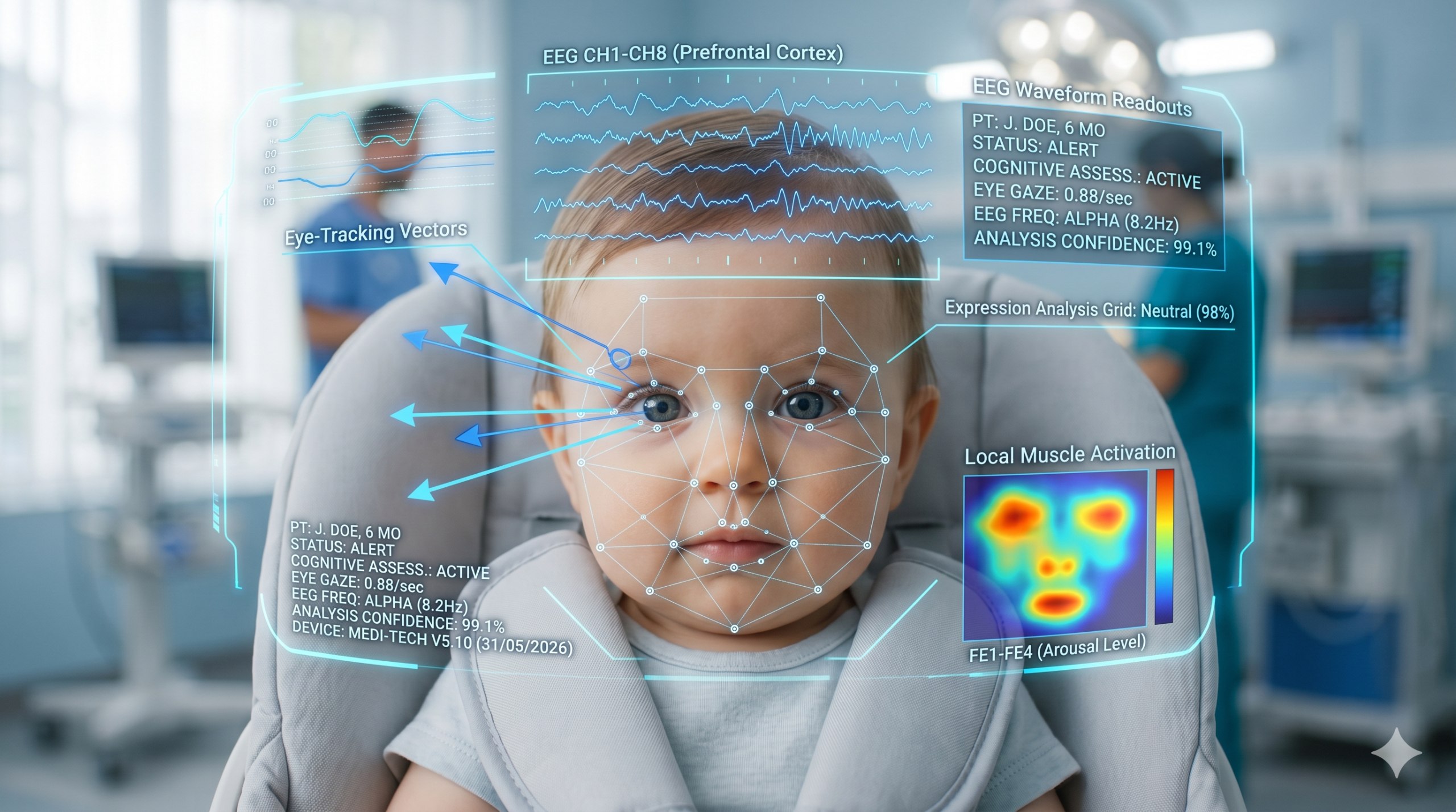
The effectiveness of early intervention depends on early detection. Over the past five years, significant advances have been made in early autism identification technologies. M-CHAT (Modified Checklist for Autism in Toddlers) remains the most widely used screening tool. Harper et al. (2026) published a replication study of diagnostic accuracy; Bacopoulou et al. (2026) validated M-CHAT-R/F in a Greek population; Lassebro et al. (2026) in JAMA Network Open applied it to neonatal high-risk populations. Chang et al. (2026) found that early neurodevelopmental scale assessments correlate with positive M-CHAT screening at 24 months.
But more transformative is AI's role in diagnosis. Yankowitz et al. (2026) in Molecular Autism published an AI-based measure of interpersonal coordination. V MP et al. (2026) in Scientific Reports demonstrated autism identification using machine learning on MRI data. Alyasseri et al. (2026) proposed a hybrid EEG feature fusion framework using ensemble learning. Xu et al. (2026) developed BrainPrompt+ for neurological disorder identification from brain imaging. Eye-tracking technology reveals that autistic infants' gaze patterns can be detected in early life. Yin et al. (2026) in Autism Research demonstrated ML-based early prediction using acoustic features. Motta et al. (2026) identified fetal MRI biomarkers that push the detection window before birth. These converging technologies are progressively moving autism diagnosis from the traditional age of 3-4 years to 12-18 months, creating unprecedented windows for early intervention.
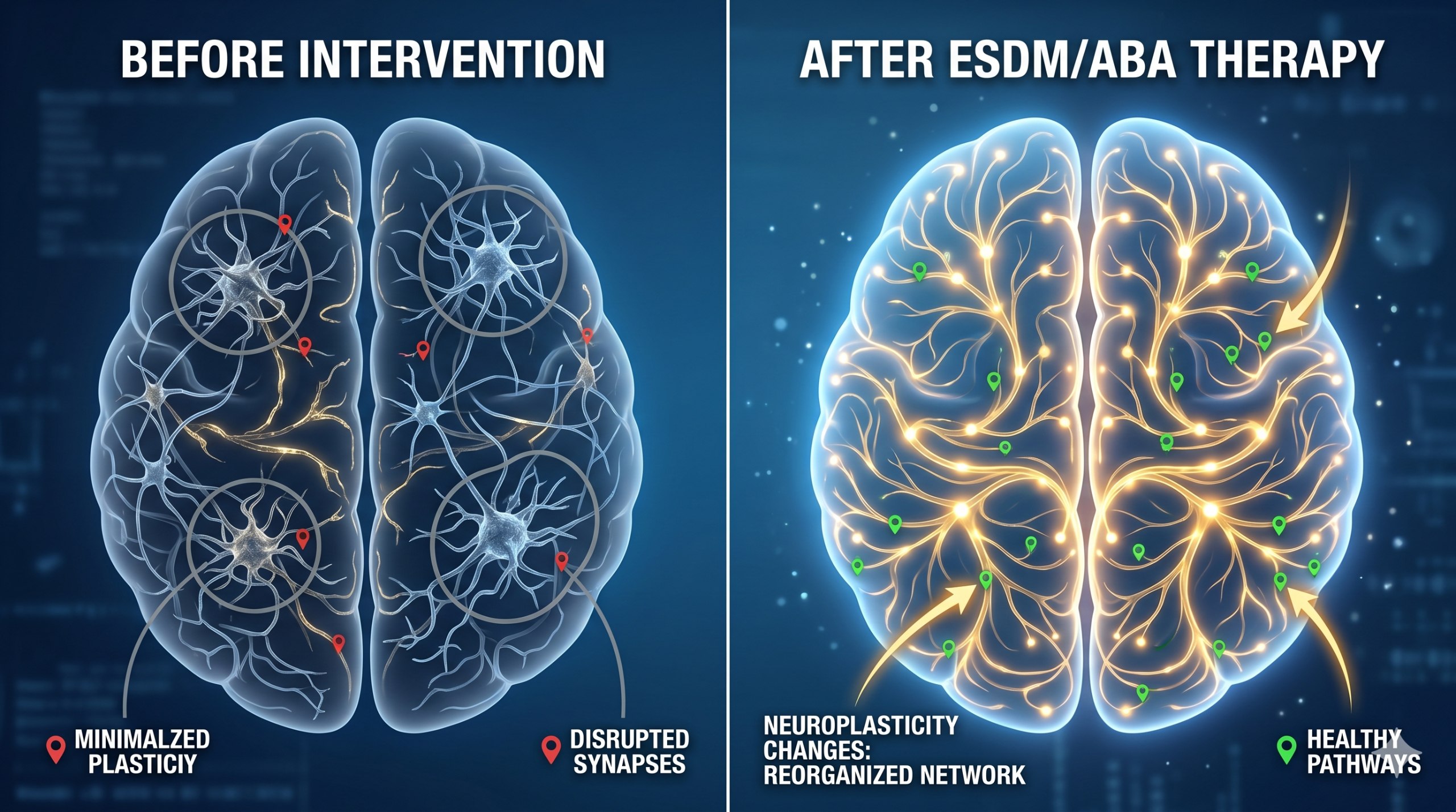
Applied Behavior Analysis (ABA) remains the most evidence-based intervention. Early intensive ABA (25-40 hours/week) improves language, adaptive functioning, and intellectual performance in preschoolers. Levato et al. (2025) published RCT results of modular behavioral intervention; Anderson et al. (2024) compared modular versus comprehensive behavioral intervention. However, ABA faces ethical criticism around compliance emphasis, prompt dependency, and unreported conflicts of interest. Modern ABA is shifting from rigid Discrete Trial Training toward more naturalistic approaches. The Early Start Denver Model (ESDM) combines ABA with developmental principles, representing the mainstream direction of Naturalistic Developmental Behavioral Interventions. Ruta et al. (2026) tracked developmental trajectories under different ESDM intensities. Tateno et al. (2026) validated ESDM effectiveness in Japan. Yan et al. (2026) in the European Journal of Medical Research revealed neuroplasticity mechanisms — these interventions change not only behavior but brain connectivity patterns.
Pivotal Response Treatment (PRT) targets "pivotal" areas — motivation, responsivity to multiple cues, self-management, and social initiation. Schuck et al. (2026) integrated four RCTs demonstrating PRT improves quality of life. Cheong et al. (2026) demonstrated telehealth-delivered PRT feasibility. DIR/Floortime emphasizes emotional and relational development through child-led play. TEACCH provides structured teaching with visual supports and environmental organization.
Pharmacologically, only two medications are FDA-approved for autism-related symptoms, and neither targets core symptoms. Risperidone and Aripiprazole are approved for irritability, aggression, and self-injurious behaviors in autistic children. Both are atypical antipsychotics with significant side effects — weight gain, metabolic syndrome, and extrapyramidal symptoms. Over 50% of US autistic children are prescribed psychoactive or anticonvulsant medications.
Among emerging targets, oxytocin has received the most attention. Boulton et al.'s (2026) precision medicine framework may explain inconsistent trial results. Bumetanide — originally developed as a diuretic — is being repurposed for autism due to its E/I balance mechanism. McNamara et al. (2026) systematically reviewed bumetanide's potential in neurodevelopmental disorders. Cannabidiol (CBD) is also generating considerable interest. Lawson et al. (2026) published a Phase 2 open-label trial of Epidiolex in 23 autistic children, with preliminary evidence suggesting CBD may ameliorate ASD-related challenges.
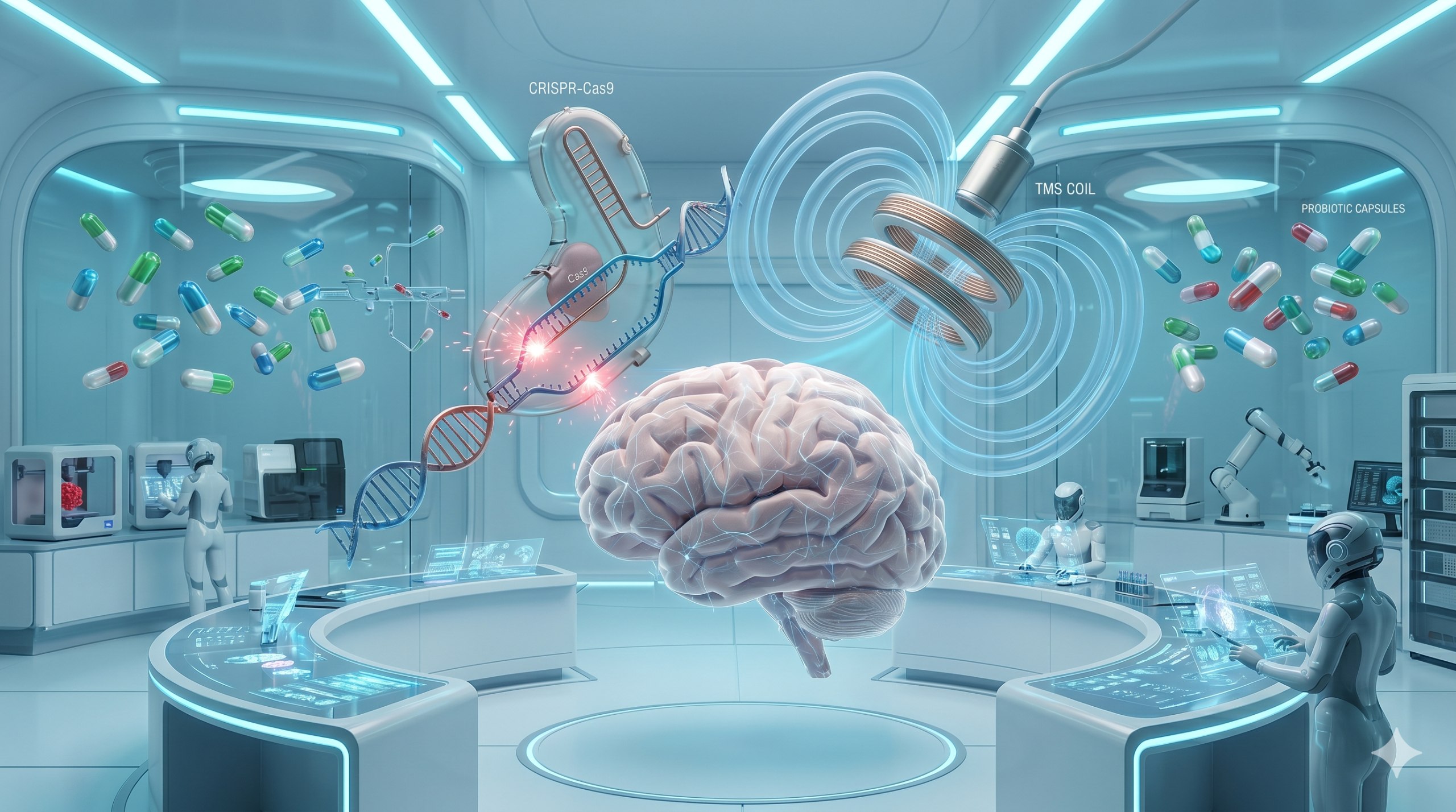
What may truly rewrite the rules are emerging therapies, though most remain at preclinical or early clinical stages. Gene therapy has shown initial progress in monogenic forms of autism. Shokoohi et al. (2026) in Discover Mental Health systematically reviewed gene therapy's emerging role. Roh et al. (2026) in Nature Communications demonstrated that a glycine-modulating Slc6a20a antisense oligonucleotide (ASO) restores NMDA receptor function in SHANK2 and SHANK3 mutant mice and cortical organoids — molecular-level intervention targeting core synaptic dysfunction. CRISPR/Cas9 remains primarily a tool for disease modeling. Jiang et al. (2026) in Neuron created the first SHANK3 mutant macaque model — the closest large-animal model to human autism. Neuromodulation is emerging as a non-invasive option. Kang et al. (2026) in Brain Topography reported a 32-child RCT showing rTMS modulates brain networks in children with autism. Microbiome interventions remain experimental but intriguing.
Technology is rapidly expanding its role in autism intervention. Virtual reality social training, wearable devices for physiological monitoring, and AI-assisted therapy platforms are all under active investigation. Looking ahead, autism research will move from phenomenological classification to biological subtyping, from primarily behavioral intervention to multi-level precision therapy, and from searching for single causes to understanding complex systems.

For the 78 million autistic individuals and their families worldwide, these scientific advances are progressively translating into earlier identification, more effective intervention, and more dignified lives.
Disclaimer: This article is an original analysis by POC.HK Future Technology Observatory, based on peer-reviewed literature published 2024-2026, WHO and CDC official data. It is for reference only and does not constitute medical advice. Autism diagnosis and treatment should be conducted under professional medical guidance.